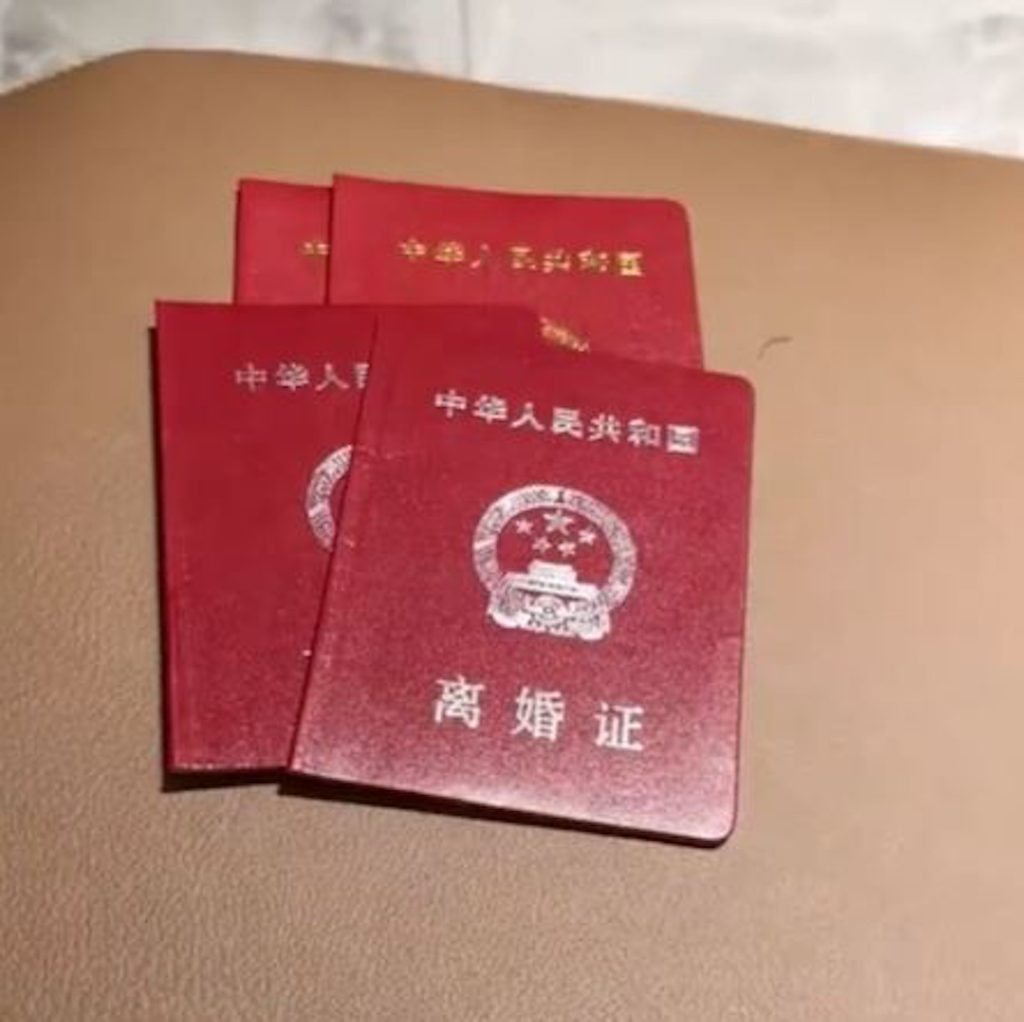
Foreign Marriage Certificate Translation for Divorce Name Change Evidence in England and Wales
If you are changing your name after divorce in England and Wales and the key link document is a foreign marriage certificate or another non-English civil record, the real problem is usually not the divorce itself. It is proving your name history in a form that the receiving body will actually accept. In practice, that often means an English certified translation, and sometimes wording that is closer to HM Land Registry’s verified translation standard than the generic wording many people order first.
This guide focuses on that narrow but common problem: when you need a foreign marriage certificate translation for divorce name change evidence in England and Wales, what HM Passport Office, DVLA, and HM Land Registry are really looking for, and how to avoid avoidable delays.
Disclaimer: This is a practical document-preparation guide, not legal advice. Rules can change, and agencies can ask for extra evidence where your name history is unusual or incomplete. Check the linked government guidance before you send original documents.
Key Takeaways
- For a passport name change after divorce, the divorce paperwork is often not the document that links your old surname and married surname. HM Passport Office often needs the marriage or civil partnership certificate showing both names, plus proof you are now using the previous surname again.
- In England and Wales, “certified translation” is a useful search term, but it is not the only term that matters. HM Land Registry publicly uses verified translation and describes what that translation must contain.
- If your marriage certificate was issued abroad, the General Register Office will not replace it unless the marriage was registered in England or Wales. Lost foreign certificates usually have to be replaced through the country that issued them.
- A short, generic translator certificate is not always enough. For this use case, the safer package is a full English translation with all stamps and marginal notes translated, plus a signed accuracy statement that matches the receiving body’s wording expectations.
Who This Guide Is For
This guide is for people in England and Wales who want to revert to a previous surname after divorce and whose evidence chain includes a foreign marriage certificate, foreign civil partnership certificate, or another non-English civil record. It is especially relevant if you are updating a British passport, a DVLA driving licence, or a property record, and your documents do not line up cleanly across maiden name, married name, and current name.
The most common language direction here is non-English to English. In England and Wales, Census 2021 data shows substantial use of Polish, Romanian, Panjabi, Urdu, and Arabic alongside English, which helps explain why foreign-language civil records are a routine problem in everyday name-change paperwork rather than an edge case. See the ONS language bulletin for England and Wales.
Where People Actually Get Stuck
Most readers do not get stuck on whether they are allowed to change their name. In England and Wales, adults can usually start using a previous surname again after divorce without a mandatory deed poll in every case. The friction comes later, when an agency asks for a document trail that proves the names belong to the same person.
- Your final order shows only the name you were using at the time of divorce, so it does not bridge all earlier names.
- Your marriage certificate was issued abroad and is not in English.
- The certificate has stamps, side notes, or registration annotations that were left out of a cheap translation.
- You are trying to reuse one translation across passport, DVLA, and land-registry paperwork even though the agencies do not describe the translation in the same way.
- You lost the foreign certificate and assumed GRO could replace it.
The counterintuitive point is this: for post-divorce name change evidence, the foreign marriage certificate can be more important than the divorce order, because it is often the document that actually links the two surnames.
Foreign Marriage Certificate Translation Requirements by Receiving Body
| Receiving body | What usually matters most | Translation wording to prepare for |
|---|---|---|
| HM Passport Office | Name-link evidence showing how the previous surname and married surname connect. | Full English certified translation with a clear accuracy statement and translator details. |
| DVLA | Supporting documents sent by post with original evidence. | Signed and dated translation certificate with enough provider details to identify the translator or agency. |
| HM Land Registry | Document quality and anti-fraud confidence for register updates. | Verified translation wording that confirms a true, accurate, and complete representation of the original. |
This is the main reason a generic one-line certificate can underperform. The same foreign marriage certificate may support several updates, but each body describes the translation slightly differently.
Which Bodies Matter Most
HM Passport Office
For changing a passport after divorce or returning to a previous surname, GOV.UK says you will normally need your birth certificate, a signed statement that you are using the previous surname for all purposes, proof that you are using that surname, and your marriage or civil partnership certificate. See the official page on changing passport information after divorce or returning to a previous surname.
HM Passport Office’s published caseworker guidance is the key reason this article exists. It explains that divorce documents issued in England and Wales since 1971 generally do not, by themselves, show the name link that staff need. That is why the marriage certificate is so often the decisive supporting document. Where the certificate is foreign-language, the practical answer is usually a complete English certified translation that makes the name link easy to follow. The underlying guidance is here: Names: evidence to change a name.
If your name history is broken in a more complicated way, a deed poll or statutory declaration may still become necessary. For the difference between those routes and ordinary post-divorce surname reversion, see our related guide: England and Wales divorce final order vs deed poll for name change.
DVLA
The DVLA process is simpler in wording but still evidence-driven. GOV.UK says you change the name on your driving licence by post, sending supporting original documents with the relevant form, and any certificates must be signed and dated. See DVLA name change guidance.
DVLA’s public page does not give a detailed foreign-document translation formula. In practice, that means your translation should not be minimalist. If the name-change evidence depends on a foreign marriage certificate, include a full English translation, a signed and dated certification statement, and enough provider details to show who translated it and how they can be contacted if needed.
HM Land Registry
HM Land Registry uses the most specific public language of the three. In its AP1 guidance for changing the register after marriage or civil partnership, HMLR says that if the marriage certificate is in a language other than English, you must send a verified translation. HMLR describes this as a translation by a professional and qualified linguist or translation company, signed, stamped, and dated, confirming that it is a true and complete representation of the original. See the official guidance: HM Land Registry AP1 guidance.
That page is not a generic translation explainer. It is useful because it gives the clearest public wording standard in England and Wales for this type of civil document. If you are preparing one translation for several agencies, HMLR’s wording is a strong baseline.
General Register Office
GRO is relevant for one reason only: replacement documents. If the marriage was registered in England or Wales, you may be able to order a copy certificate through the General Register Office. If the marriage took place abroad and was never registered in England or Wales, GRO is not your replacement route. That is one of the most common false assumptions in this topic.
What a Safer Translation Pack Should Include
For this use case, a translation should usually do more than translate the names on the face of the certificate. A stronger pack usually includes:
- A full translation of the entire certificate, including stamps, seals, handwritten notes, registration references, and marginal annotations.
- The source language and a clear statement that the translation is accurate and complete.
- The translator’s or agency’s name, signature, date, and contact details.
- Letterhead or company details if a translation company is issuing the certification.
- Wording that can sit comfortably across agencies, for example: “I certify that the attached translation is a true, accurate and complete translation of the original document.”
For HMLR-facing use, it is sensible to tighten that wording further so it resembles the public verified-translation standard rather than a bare one-line certificate. If you want a deeper comparison of document formats and delivery options, see electronic certified translation: PDF vs Word vs paper, certified translation services that mail hard copies overnight, and Certified vs notarized translation.
What Usually Does Not Need to Be Expanded Here
This page is intentionally narrow. It is not the right place to repeat long general explanations of apostille, notarisation, or the whole divorce-and-name-change process. For broader context, these shorter internal references are enough:
- England and Wales divorce final order vs deed poll for name change
- Liverpool change name after divorce certified translation
- Upload and order certified translation online
If You Lost the Foreign Marriage Certificate
If the certificate was issued abroad, start with the issuing country, consulate, civil registry, or foreign vital-records authority. Do not spend weeks waiting on GRO unless the marriage was actually registered in England or Wales. GRO’s current certificate fees are also useful to know when the record is local: standard copies cost £12.50, priority service costs £38.50, and timing depends on whether you have the reference number when you order.
This matters because readers often discover the evidence-gap only after sending a passport or DVLA application. If you already know the foreign certificate may be hard to replace, build your translation and evidence pack first, and avoid sending the only original until you have scans, copies of the translation, and a clear plan for where the original goes next.
Mailing and Timing Reality in England and Wales
This is a regional guide, so city-specific parking and counter-service details are mostly irrelevant. The practical reality here is postal handling, original documents, and agency-specific queues. For this issue, there is usually no routine walk-in shortcut.
- HM Land Registry applications from non-business users go to HM Land Registry Citizen Centre, PO Box 7806, Bilston, WV1 9QR. HMLR also warns that anti-fraud notice periods can apply before a register update is completed.
- DVLA name-change applications are generally handled by post through Swansea using the address on the relevant form and supporting guidance.
- HM Passport Office may ask for extra evidence where the name history is not obvious from the documents sent.
If you are changing a property record as part of a refinance or sale, the HMLR timing point is the most important local workflow detail. A translation problem here is not just an admin nuisance; it can delay a remortgage, transfer, or sale completion window.
Common Pitfalls
- Relying on the final order alone. For many people, the final order proves the divorce but not the full name chain.
- Ordering a generic “certified translation” without checking the receiving body. HMLR’s public wording is more specific than the phrase many agencies advertise.
- Translating only the main text. Stamps, endorsements, and registration notes can matter.
- Assuming GRO can replace any marriage certificate. It cannot replace a certificate issued abroad unless the event was registered within England and Wales systems.
- Leaving the translation provider blind. If you do not tell the translator that the document is for post-divorce name-link evidence, they may certify the text but miss the practical wording risk.
Complaints, Fraud Checks, and Escalation Paths
If a name-change update is delayed or mishandled, the practical next step depends on which body has your file.
- For passport disputes or poor handling, use the official HM Passport Office complaints procedure.
- For driving-licence complaints, use the DVLA complaints procedure.
- For property-register delays or handling issues, use the HM Land Registry complaints process.
HMLR’s notice-period issue is especially important. It is not a translation rule, but it is part of the local workflow reality in England and Wales because anti-fraud checks can extend the timeline even after your paperwork looks complete.
What Local User Experience Usually Looks Like
Across recent discussions on Reddit’s r/LegalAdviceUK and long-running MoneySavingExpert threads, two patterns recur. First, users routinely discover that the marriage certificate is the real bridge document when names do not line up across passport, bank, lender, and property paperwork. Second, people who married abroad often underestimate how much a complete, signed translation matters until an agency asks for more evidence.
Those community discussions are useful reality checks, but they should not replace the official rules above. Their value is practical: they show where ordinary applicants lose time, especially when they assume one agency’s informal practice will automatically satisfy another.
Provider Comparison: Commercial Translation Services
The table below is not a ranking. It is a short list of publicly visible providers in England and Wales or serving them, chosen because they openly describe official or certified document translation and publish a business address or phone number. Acceptance always depends on the receiving body and the exact wording on the certification.
| Provider | Public signal | Why it may fit this use case |
|---|---|---|
| Ace Language Services Newport, Wales +44 1633 266 201 |
Publicly states it is based in Newport and serves South Wales and England; offers document translation in many languages. | Useful if you want a Wales-based provider with visible regional presence and civil-document translation coverage. |
| Alphatrad UK Becket House, 1 Lambeth Palace Road, London SE1 7EU 0808 234 2776 |
Publishes London address, hours, and official-translation descriptions including signed and stamped declarations. | Useful if you want a provider that explicitly describes declaration wording rather than only offering a generic translation label. |
| Translation Services 24 5 St Johns Lane, London EC1M 4BH +44 (0)20 8677 3775 |
Publishes London business address and phone number; markets certified translation for official UK use. | Relevant if you need a provider that publicly signals business identity and official-document handling. |
When comparing providers for this particular problem, the right questions are not “Who is cheapest?” or “Who says they are accepted everywhere?” The better questions are:
- Will they translate stamps, side notes, and registration annotations?
- Will they issue wording that is suitable for HM Land Registry’s verified-translation standard?
- Will they sign and date the certification and put full contact details on it?
- Can they provide both PDF and hard-copy delivery if the receiving body is paper-first?
Public Resources and Help Nodes
| Resource | What it helps with | Public details |
|---|---|---|
| General Register Office | Replacement copies of England and Wales certificates only. | Telephone 0300 123 1837; PO Box 2, Southport, PR8 2JD. |
| HM Passport Office guidance | Official evidence list for reverting to a previous surname after divorce. | Use this first if your passport application is where the name-link issue appears. |
| HM Land Registry complaints | Escalation route if a land-registry issue is mishandled or delayed. | Public complaints guidance and Citizen Centre contact pathway. |
Local Data That Explains Why This Topic Matters
The translation issue is not niche in England and Wales. ONS Census 2021 data shows that 91.1% of usual residents had English, or English/Welsh in Wales, as a main language, while 7.1% were proficient in English but used another main language, 1.5% could not speak English well, and 0.3% could not speak English at all. The most common non-English main languages included Polish, Romanian, Panjabi, and Urdu. That matters because name-change evidence is often a household-level, cross-language problem: one person’s passport, another country’s civil certificate, and a UK agency trying to reconcile both.
What CertOf Can Actually Help With
CertOf’s role in this scenario is document preparation, not legal representation. If your case turns on a foreign marriage certificate or another non-English civil record, CertOf can help with a complete English certified translation, certification wording tailored to the receiving body, layout-preserved delivery, and revisions if the agency asks for a clearer certificate statement. If you want to start the process, you can upload your documents here or read more about ordering certified translation online.
What CertOf cannot do is act as HM Passport Office, DVLA, HM Land Registry, or your solicitor. If your problem is really a broken legal name history rather than a translation problem, you may still need a statutory declaration, deed poll, or legal advice.
FAQ
Can I use the final order alone to change my name after divorce?
Often no. For passport evidence in particular, the marriage or civil partnership certificate is commonly the document that links the names. The final order proves the divorce, but not always the full name history.
Do I need a certified translation or a verified translation?
For search purposes, people usually look for a certified translation. In public guidance, HM Land Registry uses the term verified translation and describes it in more detail. For this use case, that is usually the safer wording model.
Will HM Passport Office accept a foreign marriage certificate without translation?
Do not assume so. If the certificate is not in English and it is needed to prove the name link, a full English certified translation is the safer approach.
Can I use the same translation for HM Passport Office, DVLA, and HM Land Registry?
Sometimes, yes, but only if the translation is complete and the certification wording is strong enough for the strictest recipient. HMLR’s public standard is a good benchmark.
What if my foreign marriage certificate is lost?
If the marriage was registered abroad, you usually need a replacement from the country that issued it. GRO is only the right route for records registered in England or Wales.
CTA
If your name-change evidence depends on a foreign marriage certificate, do not wait for a rejection before fixing the translation. A stronger first submission usually means: full document translation, all seals and side notes included, and certification wording that matches the agency receiving it. You can submit your file for review, or compare delivery options in our guides to electronic certified translations and mailed hard copies.