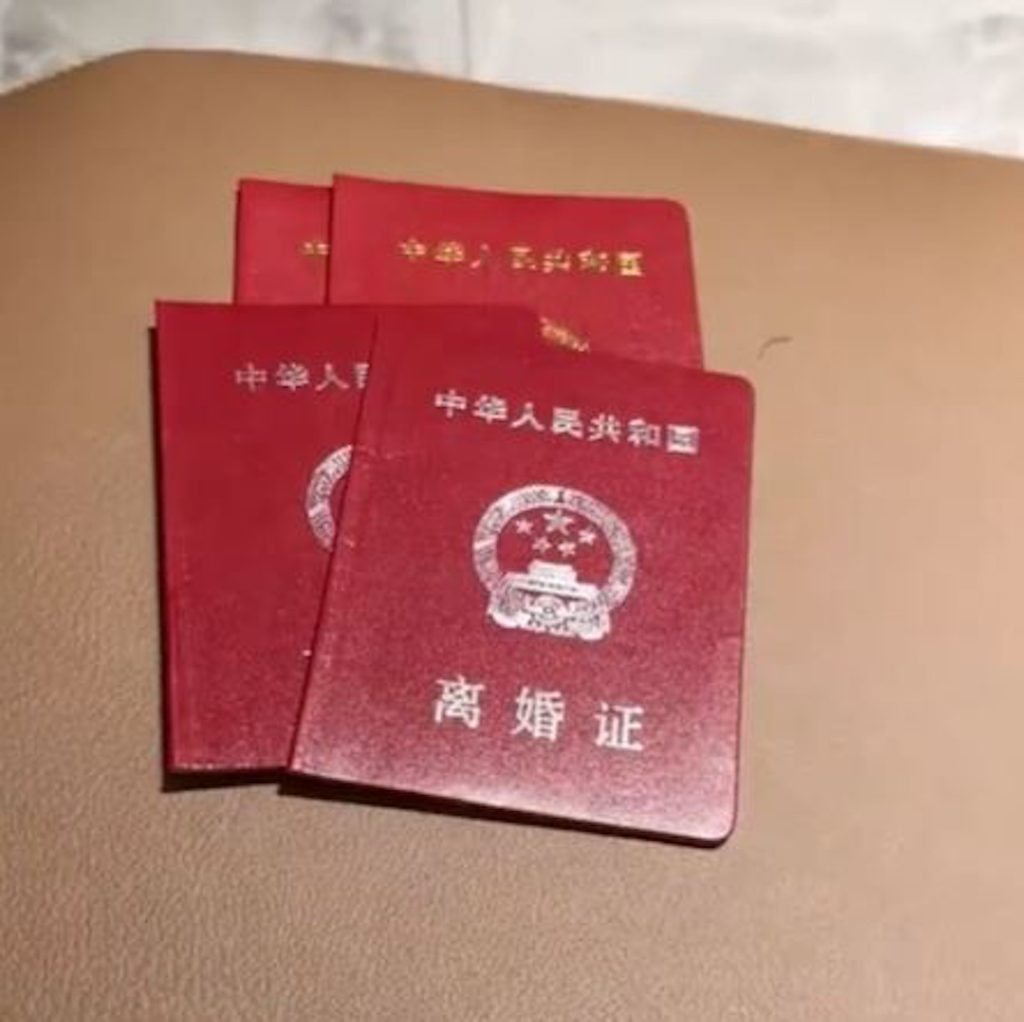
Foreign Civil Documents for Italy: Translation, Apostille, and Legalization Rules for Civil-Status Updates
If you need to use a foreign birth certificate, marriage certificate, divorce judgment, death certificate, or name-change record in Italy, the hard part is usually not finding a translator. The real problem is choosing the right document path: whether the document needs an apostille, full consular legalization, or an Italian traduzione conforme before a Comune or consulate will accept it. Italy foreign civil documents translation apostille legalization rules are split across Italian civil-status law, Hague apostille practice, EU public-document rules, and multilingual civil-status conventions. If you choose the wrong path, a translation that looks perfectly good can still be unusable.
For civil-status registration and updates, Italy works through stato civile offices at the Comune level and through the Italian consular network abroad. The Ministry of Foreign Affairs explains that foreign documents used in Italy generally need legalization or apostille unless an exemption applies, and they generally need an Italian translation unless they are issued on qualifying multilingual forms or fall within the EU simplification regime. See the official guidance from MAECI on translation and legalization, the MAECI civil-status page, and the EU public documents portal.
Key Takeaways
- In Italy, the first question is not simply whether you need a certified translation. It is whether your document falls under an exemption, needs an apostille, or needs full consular legalization.
- For many EU civil-status documents, Regulation (EU) 2016/1191 removes the apostille requirement, and multilingual standard forms may also reduce translation needs.
- For birth, marriage, and death extracts issued on the Vienna 1976 multilingual model, Italy says they are exempt from both translation and legalization for participating states. That list is summarized on the MAECI civil-status page.
- Sworn translation is one valid route in Italy, but it is not the only route. The acceptable path can also involve an official translator abroad or certification by the competent Italian consulate. If you need the translator-side rules in more detail, see our separate guide on who can translate foreign civil documents for Italy identity-record updates.
Who This Guide Is For
This guide is for people dealing with Italy-wide civil-status updates based on foreign civil documents, especially Italian citizens abroad, AIRE-registered families, dual-national households, foreign spouses of Italians, and relatives preparing a civil-status packet for a Comune or an Italian consulate. The most common language direction is from the source language into Italian. The most common document combinations are foreign birth certificates, marriage certificates, divorce judgments, death certificates, and name-bridging records used to explain surname differences across generations or across marriage and divorce events.
It is especially useful if you are stuck between these practical questions: Does this document still need translation? Is apostille enough? Do I need consular legalization instead? Will a multilingual extract save me a step? Can I submit directly to the Comune or should I file through the consulate?
What This Guide Covers, and What It Does Not
This guide stays tightly focused on one problem: how foreign civil documents are translated, apostilled, or legalized before they can be used for Italian civil-status updates. It does not try to re-explain every filing scenario, every city office workflow, or every translator-eligibility question. For those narrower issues, use the related guides on who can translate foreign civil documents, multilingual certificate translation exemptions, and a city-level example from Verona.
Italy Foreign Civil Documents Translation, Apostille, and Legalization: The Four Real Routes
Italy does not operate with one universal, English-style certified translation rule. In practice, most applicants fall into one of four routes.
| Route | What usually happens | Main risk |
|---|---|---|
| EU public document | The apostille requirement is removed under Regulation (EU) 2016/1191. A multilingual standard form may also reduce or eliminate translation needs. | People assume the EU rule makes every document automatically acceptable. It does not decide the legal effect of the document in Italy. |
| Vienna 1976 multilingual extract | For participating states, Italy says multilingual birth, marriage, and death extracts are exempt from translation and legalization. | People use the wrong certificate type or a non-qualifying national format instead of the multilingual extract itself. |
| Hague apostille country | The original foreign public document is apostilled by the origin-country authority under the Hague Apostille Convention, then translated into Italian through a valid path. | People get a translation first, then discover the original certification chain is wrong. |
| Non-Hague country | The document usually needs consular legalization through the competent Italian embassy or consulate abroad, plus an Italian translation. | People assume apostille exists everywhere or use a private translation with no valid conformity chain. |
This is why generic advice about certified translation is weak in the Italian setting. The same birth certificate can require no translation at all, an apostille plus translation, or full consular legalization plus translation, depending on where it was issued and in what format.
What Italian Authorities Usually Expect
The baseline national rule is straightforward. The Ministry of Foreign Affairs states that foreign documents to be used in Italy generally must be legalized by Italian diplomatic-consular authorities abroad, or apostilled if the source country is a Hague member, and must also be translated into Italian unless an exemption applies. The same official guidance explains that translations should carry a conformity statement such as per traduzione conforme. See MAECI translation and legalization guidance and MAECI guidance on translation conformity.
For civil-status events abroad, Italian consular guidance states that the event can be presented either directly to the competent Italian Comune or to the competent Italian consulate. That reflects DPR 396/2000, the national civil-status regulation. In practical terms, that means your document packet has one national legal framework, but two different filing channels.
Which Translation Paths Count in Italy
The most important terminology correction is this: in Italy, certified translation is a bridge term, not the core legal term. The more natural Italian expressions are traduzione conforme, traduzione giurata or asseverata, and legalizzazione. If you want the broader cross-border terminology first, see our guide to certified vs. notarized translation.
According to MAECI, valid translation paths can include an official translator in the country of origin, with the proper follow-on certification, or certification by the competent Italian consulate. A useful Italian administrative guide from a Prefettura also lists several Italy-side routes, including court-based asseveration, notarial asseveration, and, for civil-status acts to be transcribed in Italian municipalities, a translator’s oath received directly by the civil-status officer. See the Prefettura guide on translation, asseveration, legalization, and apostille.
That is the counter-intuitive point many applicants miss: sworn translation is important in Italy, but it is not automatically the only acceptable route for every foreign civil-status document. The safer question is not Do I need sworn translation, but Which translation path does my issuing country and receiving office recognize for this document?
If your issue is specifically the translator’s role rather than apostille or legalization, keep this article short and use the sibling reference page: Who can translate foreign civil documents for Italy identity-record updates.
When Translation May Not Be Needed
There are two major simplification buckets.
- EU public documents. Under Regulation (EU) 2016/1191, covered public documents move inside the EU without apostille, and multilingual standard forms can reduce translation requirements when the receiving authority considers the form sufficient.
- Vienna 1976 multilingual civil-status extracts. Italy states that birth, marriage, and death extracts issued under the Vienna Convention model are exempt from legalization and translation for participating countries. The official country list is summarized on the MAECI civil-status page.
If you are dealing with that second scenario, do not let a generic translation agency talk you into a full sworn package before confirming that your certificate is actually the multilingual extract Italy recognizes. You may not need translation at all. For that narrower exemption question, use our dedicated multilingual certificate exemption guide.
Comune or Consulate: What Changes in Practice
Nationally, the rule is uniform. Operationally, the experience is not. Consular channels often involve appointment systems, original-document handling, and consular fees when the consulate certifies the translation or legalization chain. MAECI’s own guidance describes appointment-based consular handling for legalization and translation conformity, and the foreign-affairs portal also provides a tool to find the competent Italian consulate. Municipal filing is legally possible, but local practice can still differ on how the office wants the packet organized, whether it wants originals retained, and how it wants name mismatches explained.
That means the core rule is national, but the friction is local. The document law is mostly country-wide; the delay risk comes from routing, packet completeness, and how clearly your translation matches the original civil-status record.
Cost, Timing, and Scheduling Reality
There is no single national processing time for all Italian Comuni or consulates, so avoid any article promising a uniform timeline. What is verifiable is the workflow burden.
- If you use the consular path for legalization or translation conformity, MAECI says appointments are required and consular fees apply.
- If you choose an Italy-side sworn route, public court instructions show that stamp-duty costs can attach to the sworn packet. For example, Tribunale di Milano and Tribunale di Bologna both publish guidance stating that a €16 stamp is generally applied every four pages, including the oath record, subject to exemptions. Those examples are useful operationally, but they describe the court-sworn route, not every possible translation path.
- For many administrative certificates in Italy, DPR 445/2000, art. 41 sets a six-month validity period unless the facts are immutable or another rule applies. In practice, this is one reason recent originals are often safer than relying on old extracts.
Practical advice: apostille or legalization should be solved before you lock in your final translation path. Otherwise you risk paying twice for a document set that still needs reworking.
Common Failure Points
- Using a regular foreign-language certificate when a multilingual extract was available and would have removed both translation and legalization.
- Assuming English is acceptable in Italy because the document looks internationally readable. Italian authorities generally want Italian unless an exemption clearly applies.
- Treating a private certified translation as enough without checking whether the destination office needs consular certification, official-translator certification, or an oath-based path.
- Sending a packet through the consulate when the direct Comune route would have been operationally simpler for that case.
- For divorce, adoption, parenthood, and name-change matters, forgetting the bridging documents that explain why names or statuses differ across records.
For a city-level example of how these rule questions become operational filing problems, see our Verona guide.
What Users Commonly Report
This is not the rule section. It is the reality section. On long-running Italian citizenship boards and expat threads, applicants repeatedly describe two practical problems: first, they spend money on translation before confirming the correct legalization route; second, they discover that one office is more particular than another about packet format and translation path. See the long-running discussion on the Italian Citizenship Message Board and a more recent Reddit thread in r/ItalyExpat. These are anecdotal sources, not legal authority, but they are useful for understanding where rework happens.
The useful takeaway is narrow: do not rely on community advice for the legal rule, but do treat community complaints as a warning that sequence matters. In Italy, the wrong sequence is expensive.
How to Vet Commercial Translation Help in Italy
Because this is an Italy-wide rules guide, the main takeaway is not which company is best. It is how to avoid paying the wrong company for the wrong route. If your case really needs an Italy-side sworn path, an official starting point is the Ministry of Justice’s newer Portale Albo CTU, Periti ed Elenco Nazionale, referenced by tribunal sites as the national portal for court technical experts and related registers.
| Provider | Publicly verifiable details | Use only if |
|---|---|---|
| Traducta Italy S.R.L. | Via Conservatorio 22, 20122 Milano; phone 800 796 097 / +39 02 7729 7588; advertises official and certified translation services. | You already know you need an Italian document translation and you have checked whether the receiving office wants a sworn, consular, or exempt route. |
| Tinda Translations | Via Attilio Regolo 19, 00192 Roma; phone +39 06 86931484; advertises sworn, certified, and apostille-related services. | You need a Rome-based vendor example, but you still plan to verify destination-office compatibility before ordering. |
| Studio Interpreti Milano S.r.l. | Via Broletto 46, 20121 Milano; phone +39 02 48 01 82 52; contact page explicitly references asseverazione and apostille. | You are comparing providers that speak the Italy-side document-execution vocabulary, not looking for a guarantee of acceptance. |
If you already know you need an Italian translation and want a digital-first intake, CertOf fits best on the document-preparation side: start a translation request, see how online upload and ordering works, and review our pages on electronic certified translation delivery formats and revision and delivery expectations. CertOf is not a legalization office, court registry, or consular proxy.
Public and Nonprofit Support Nodes
| Resource | What it can help with | Public details |
|---|---|---|
| MAECI and the consular network | Official national guidance on civil-status acts, translation, legalization, and consular routing. | Piazzale della Farnesina 1, Rome; main line +39 06 36911; use the diplomatic and consular network finder to locate the competent office. |
| Patronato INAS CISL | Administrative support and local office access for people who need help understanding where to file and whom to contact. | National legal seat at Viale Regina Margherita 83/D, 00198 Roma; toll-free number 800249307; office network published on site. |
| Patronato INCA CGIL | Migration and international mobility support, plus access to local offices across Italy and abroad. | Via G. Paisiello 43, 00198 Roma; +39 06 855631; office finder published at Dove siamo. |
| Difensore civico per il digitale | Digital-service complaints when an Italian public administration’s online channel does not respect digital-access rules. | Useful for portal failure and digital process issues, not for replacing the office’s substantive legal decision. |
Why Italy’s Administrative Structure Increases Risk
Italy has thousands of municipalities, and civil-status execution is decentralized even though the core rule is national. That matters because decentralization increases the number of places where an incomplete packet can stall. It is one reason this article focuses on path selection first. The more fragmented the receiving system, the more expensive it is to discover a mistake late.
The helpful national rule here is that the law is broadly unified. The unhelpful practical reality is that your packet still lands on a specific desk.
Anti-Fraud and Complaint Paths
Use caution with anyone promising guaranteed acceptance by every Italian office, same-day legalization across all cases, or a one-size-fits-all certified translation package. Italy’s own foreign-affairs ministry warns on its contact page that it does not ask for money or personal data by phone in the way scammers often do. See the warning on the MAECI translation and legalization page.
If the problem is official information or consular guidance, start with the MAECI or consulate contact channel. If the problem is a digital public-service failure, use the digital ombudsman. If the problem is office-specific packet handling, escalate first through the receiving Comune or consular office before paying for a second translation that may not be necessary.
How CertOf Fits
CertOf can help when your real bottleneck is the translation packet itself: accurate Italian translation, formatting that follows the original, revision support, and digital delivery that makes it easier to submit a clean file set. CertOf does not replace the apostille authority, the Italian consulate, the court registry, or the civil-status officer.
If you are already sure your case needs an Italian translation, the next practical step is to upload your documents and request a quote. If you are not yet sure whether your case needs translation at all, read the two narrower guides first: multilingual certificate exemptions and who can translate for Italian civil-status use.
FAQ
Do foreign civil documents always need translation for Italy?
No. They often do, but not always. EU public-document rules and Vienna multilingual civil-status extracts can remove or reduce translation requirements in the right cases.
Do I need apostille or consular legalization?
Usually apostille if the issuing country is in the Hague system, and consular legalization if it is not. The official MAECI guidance is the safest starting point.
Is a generic certified translation enough?
Not necessarily. In Italy, the key question is whether the translation is acceptable through the route your receiving office recognizes: official translator, consular conformity, or a sworn or asseverated path where needed.
Can I submit the documents directly to an Italian Comune?
Yes. Italian civil-status guidance states that foreign civil-status acts can be presented directly to the competent Comune or to the competent consular office.
Can I use a translation certified by an Italian consulate?
Often yes, if that consulate is the competent office for your case and the rest of the document chain is also correct. The safer approach is to confirm with the receiving office whether a consularly certified translation is acceptable for your specific document set.
Do I need to translate the apostille itself?
There is no single public instruction that answers this neatly for every office and every packet. In many straightforward civil-status cases the focus is on the authenticated original and the Italian translation of the underlying act, but if your receiving office wants a fully translated packet, get that instruction in writing before leaving the apostille page untranslated.
Disclaimer
This guide is an informational overview, not legal advice. Italian civil-status practice is grounded in national law and EU rules, but packet handling still depends on the issuing country, the document type, and the receiving office. Always confirm office-specific requirements before paying for apostille, legalization, or sworn-translation work.