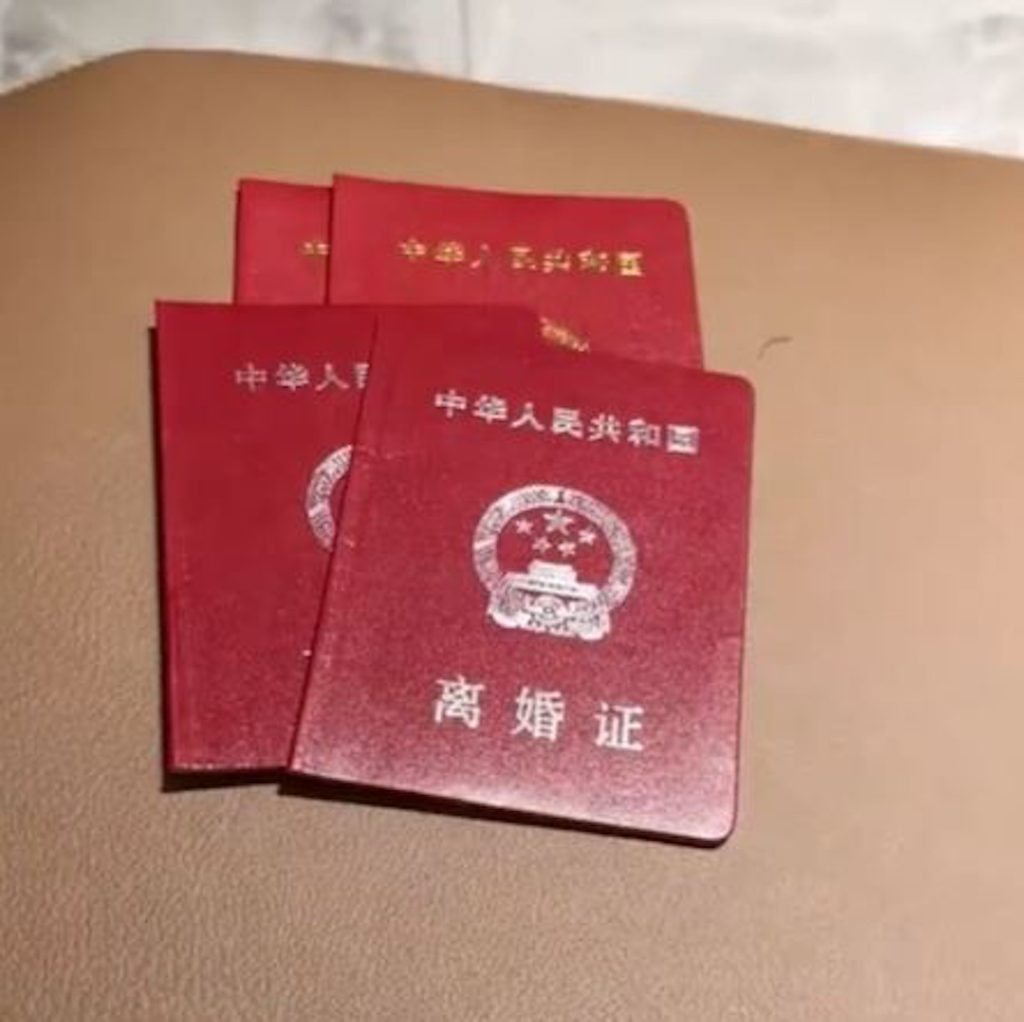
Kazan Child Custody and Adoption Documents: Notarized Russian Translation, Offices, and Court Routing
If you are searching for Kazan child custody adoption Russian translation, the first thing to know is that local offices usually do not think in terms of a generic “certified translation.” In practice, families in Kazan dealing with foreign birth certificates, divorce records, court orders, consent forms, or adoption paperwork usually run into a stricter requirement: a Russian translation that can actually be used in the local filing chain, often with notarization of the translator’s signature. The real problem is usually not translation alone. It is figuring out which Kazan office has jurisdiction, whether apostille or legalization comes first, and where the document packet moves next.
Key Takeaways
- Kazan is not one single filing point. Child-related family matters are routed through different district guardianship offices, so bringing a complete packet to the wrong district can waste days or weeks.
- The local term is usually “notarized Russian translation,” not just certified translation. For foreign civil records and court papers, the practical question is whether your document can be accepted in a Russian-language family-law workflow.
- Adoption and custody do not follow the same court path. For some foreign or overseas applicants, adoption matters can go to the Supreme Court level under Article 271 of the Civil Procedure Code, not just a district court.
- In Kazan, the most common avoidable delays are local routing mistakes, incomplete notarized Russian translation packets, and name mismatches across foreign documents.
Disclaimer: This guide is practical information, not legal advice. Child custody disputes, contact arrangements, and adoption cases can turn on facts that require a Russian family lawyer. CertOf’s role is document translation and preparation, not court representation, government filing, or notarial services.
Who This Guide Is For
This guide is for people handling child custody disputes, residence/contact issues, or adoption-related paperwork in Kazan, Tatarstan when the file includes foreign-language documents. That usually means mixed-nationality families, Russians living abroad, foreign parents involved in a local dispute, or adoption applicants moving documents between another country and Kazan.
The most common document mix includes birth certificates, marriage or divorce certificates, foreign court orders, parental consent letters, passports, address and income records, police or medical records, and post-adoption civil-status documents. The most common working language pair is usually English to Russian for international users, but the same filing logic applies to other foreign languages as long as the receiving authority needs Russian.
The typical situation is not “I need a translation.” It is: “I need to know which Kazan office takes my case, what order to legalize and translate my documents in, and whether my packet will be rejected if the notarized Russian translation is incomplete.”
Kazan Child Custody and Adoption Documents: What Matters First
The core legal standards are mostly national. The local difference is operational: Kazan’s district-based guardianship structure, Tatarstan-level adoption support nodes, local ZAGS routing, and practical complaint paths. That is why a city-specific guide is still useful even though the translation standard itself is largely federal.
Your first question should usually be which district guardianship office has your case. Kazan publishes district contacts through the city administration’s guardianship pages on kzn.ru. The city’s structure matters because guardianship participation often comes before or alongside court activity in residence, contact, and adoption-related family matters.
Your second question should be whether your foreign document is ready for a Russian family-law filing. For a deeper national explanation, keep the city page short and use the related CertOf resources on apostille, legalization, and notarized Russian translation in Russia child custody matters, self-translation and notary eligibility in Russia, and foreign child custody order recognition packets in Russia.
How the Local Workflow Usually Plays Out
1. Identify the right guardianship office before translating the whole packet
Kazan does not operate a single citywide guardianship desk for all family matters. The city administration routes families by district through offices listed on the official Kazan guardianship directory. Use that directory to confirm the correct office and current contact details before you go; limited reception windows make blind walk-ins a bad bet.
In practice, the key offices commonly cited for child-related matters include:
- Sovetsky District: ul. Shurtygina, 1
- Kirovsky and Moskovsky Districts: ul. Vosstaniya, 82
- Aviastroitelny and Novo-Savinovsky Districts: ul. Volgogradskaya, 32
- Vakhitovsky and Privolzhsky Districts: ul. Ippodromnaya, 14
This district split is one of the biggest local pain points. If you prepare a perfect notarized Russian translation but walk into the wrong district office, the file can still stall.
2. Sort out whether you are in a custody path, an adoption path, or both
For custody, residence, or contact disputes, the practical packet often includes foreign civil records, foreign orders or agreements, and supporting school or medical material. For adoption, the packet is broader and may involve applicant background documents, home-study style documents, income and housing proof, police clearances, and post-adoption record changes.
If the matter is adoption-related, Tatarstan’s Republican Center for Adoption, Guardianship and Trusteeship is an important support node. The publicly listed address is ul. Sotsialisticheskaya, 5, Kazan. That is useful because Kazan families often need a place to confirm the practical route before spending money on a large translation pack.
3. Get the foreign document chain right before filing
For foreign-origin documents, the practical sequence is usually some combination of apostille or legalization, translation into Russian, and notarization of the translator’s signature. The exact sequence depends on the document type and the receiving office, but for civil-status documents issued in Tatarstan, apostille routing itself may differ from other documents. Tatarstan’s Justice Ministry FAQ confirms that civil-status documents can be apostilled through the ZAGS system in Tatarstan, which is a useful local detail because many users wrongly assume every apostille issue goes to one desk.
4. Know when ZAGS becomes part of the workflow
For post-adoption record issues, duplicate civil-status certificates, or related registry actions, Kazan ZAGS matters. The main public-facing Kazan ZAGS address commonly used in guidance is ul. Meridiannaya, 4, and the office has also published notices about centralized handling of some services. That is a real local difference from a generic Russia-wide article.
5. Understand the court level before you budget time and translation scope
One counterintuitive point: not every adoption case stays at the district-court level. Under Article 271 of the Civil Procedure Code, some cases involving foreign citizens, stateless persons, or Russians permanently living abroad move to a higher court level. That matters because the notarized Russian translation packet for a higher-stakes filing should be treated more carefully from the start.
What Notarized Russian Translation Usually Means in This Setting
In Kazan family-law practice, “certified translation” is mainly a bridge term for international readers. The local filing reality is closer to notarized Russian translation. If your document is going into a district guardianship office, a Russian court, or a ZAGS-linked civil-status workflow, the real question is whether the receiving authority will accept the translation packet as part of a Russian-language official process.
That is why this article keeps the generic explanation short. If you need a broader breakdown of certified vs notarized translation concepts, see Certified vs Notarized Translation. If you need a practical ordering guide for digital files and delivery formats, CertOf also has related guides on ordering certified translation online, electronic certified translation delivery formats, and revision and turnaround expectations.
Documents That Most Often Cause Trouble
- Birth certificates and marriage/divorce records: these are often the foundation documents that create later spelling problems if translated inconsistently.
- Foreign court orders or agreements: incomplete translation of annexes, stamps, or operative clauses can make the packet unusable.
- Medical, school, and psychological records: these are easy to underestimate, but they can matter in custody and residence disputes.
- Consent forms and powers of attorney: these often fail because legalization and translation were done in the wrong order.
- Name-change records: old and new surnames need to line up across every translated document.
A practical rule for Kazan families is simple: if the receiving office may look at it, translate it as part of the packet. The most expensive redo is not the translation fee. It is losing your appointment slot or being told to come back after the packet is rebuilt.
Local Scheduling, Cost, Mailing, and Submission Reality
Scheduling: Kazan’s district guardianship workflow is not fully centralized, and some public guidance still points families toward limited reception windows or phone-first confirmation. That means you should confirm district routing before translating every supporting page.
Cost: The biggest predictable costs are usually document retrieval, apostille or legalization where required, translation, and notarization. A useful local warning is that court fees are not always the main expense. For adoption petitions, Article 271 is commonly cited because individuals are generally exempt from state duty in adoption applications.
Mailing: Some supporting civil-record requests can be initiated through public-service channels, but family-law packets with originals, legalization steps, or notarized translations still work much better when treated as a controlled document set rather than casual mail-in paperwork.
Live wait-time data: Kazan publishes contacts and routes, but not a citywide live dashboard for guardianship queues. For users, the practical takeaway is clear: the biggest avoidable delay is usually a routing or packet problem, not a mystery queue problem.
Local Failure Points That Actually Matter
Across Russian parenting and adoption forums such as 7ya.ru and baby.ru, and in public local review ecosystems, the same practical complaints repeat:
- Families bring a packet translated abroad and then learn they still need a Russia-usable notarized Russian translation chain.
- Old surnames or passport spellings do not match across translations, so the packet has to be redone.
- Annexes, back pages, or seal pages are omitted from the translated version.
- People lose time because they start with the wrong district office.
These user signals should not replace official rules, but they are valuable because they explain why otherwise valid foreign documents still fail in real Kazan workflows.
How to Avoid Bad Translation or Fake Notary Shortcuts
If a provider promises to skip local routing, speed up an adoption by “inside connections,” or sell a notarized packet without a verifiable Russian notary, treat that as a warning sign. In this type of case, a document is not useful because someone called it official. It is useful because the receiving office can trace and accept the translation and notarization chain.
If an office refuses documents in a way that seems improper, the practical escalation path is local first and supervisory second: use the city or district contact route where possible, then the official electronic complaint route or the Tatarstan Child Rights Ombudsman for child-rights handling issues.
Public Offices and Support Nodes
| Resource | What it is for | Public signal | When to use it |
|---|---|---|---|
| Kazan district guardianship offices | First-stop routing for child residence, contact, custody participation, and many child-protection interactions | Official city directory at kzn.ru | Use before filing if you are unsure which district has jurisdiction |
| Republican Center for Adoption, Guardianship and Trusteeship | Adoption-related guidance and support in Tatarstan | Public listing at mon.tatarstan.ru; ul. Sotsialisticheskaya, 5 | Use when the case is adoption-focused or crosses district lines |
| Tatarstan Child Rights Ombudsman | Escalation when a child-rights issue or administrative handling problem needs review | Official site at rtdety.tatarstan.ru | Use when the problem is not translation itself but how the case is being handled |
| Prosecutor complaint channel | Formal complaints about unlawful refusal or handling problems | Official electronic complaint route | Use when an office refuses to accept documents or you need supervisory review |
Commercial Translation Providers: Local Signals Only
The table below is not a ranking. It is a neutral summary of publicly visible local providers that appear to handle notarized translation workflows in Kazan. For family-law files, ask specifically about court orders, annexes, multi-page record packs, and name-consistency review before ordering.
| Provider | Public local signal | Typical fit | Boundary |
|---|---|---|---|
| Mir Perevodov | Publicly visible Kazan presence; commonly associated with notarized translation marketing; one listed city-center address is ul. Profsoyuznaya, 10/14 | Useful if you need a local bureau that already works with Russian notarization workflows | Check language pair, court-document handling, and turnaround directly before ordering |
| Kazan Translation Center | Publicly visible Kazan presence; commonly listed at ul. Ostrovskogo, 67 | Useful for users who want an in-city bureau rather than a fully online workflow | Do not assume every local bureau understands family-law annexes and naming-risk issues equally well |
| CertOf | Online document-preparation and certified translation workflow via translation.certof.com | Useful when you need a clean, reviewable translation packet, fast revisions, and digital organization before local notarization or filing | CertOf is not a Kazan law firm, notary, or filing agent, and should not be treated as an official representative |
Why Local Data Still Matters Even Without a Perfect Dashboard
Kazan does not publish a neat citywide wait-time chart for child custody and adoption paperwork. That gap matters because it changes what users should optimize for. In this city, the best way to reduce delay is usually not hunting for a “faster office.” It is:
- finding the correct district office first,
- using the right Russian translation standard,
- keeping names identical across every translated document,
- calling ahead when reception windows are limited, and
- treating annexes and civil-status records as part of one packet instead of separate errands.
That is more useful than vague market claims about speed. For the average family, process accuracy beats provider hype.
How CertOf Fits Without Overpromising
For Kazan child-related family matters, CertOf fits best at the document preparation stage. That means translating complex foreign records, preserving formatting, keeping names consistent across multiple documents, and preparing a packet that is easier to review before it enters a Russian notary or filing workflow.
CertOf does not replace a local notary, a guardianship office, a Russian family lawyer, or a court filing clerk. The right user expectation is: use CertOf to get the foreign-language paperwork into a clean, consistent, filing-ready translation package, then complete whatever local notarization or official submission step your case requires.
Start your translation order here if you need a document packet prepared for review. If you are comparing providers first, our related guides on how to evaluate a translation provider, how online ordering works, and electronic certified translation delivery formats can help.
FAQ
Do foreign child custody orders need notarized Russian translation in Kazan?
Usually, yes, if the order is going into a Russian family-law workflow. The practical local standard is not just “certified translation” in the abstract. It is a Russian translation that the receiving office can accept, often with notarization of the translator’s signature.
Which guardianship office in Kazan should I go to?
Start with the official district guardianship directory. Kazan routes these matters by district, so the correct office depends on where the child or case is tied locally.
For adoption in Tatarstan, is it always a district-court matter?
No. That is one of the most important non-obvious points. Some foreign or overseas applicant cases move to a higher court level under Article 271.
Can I use a translation done abroad?
Sometimes the translation itself may still be useful as a draft, but many users eventually need a translation chain that works inside Russia’s notarial and filing practice. For the national rules question, see our Russia guide on self-translation and eligibility.
Where do I handle apostille for civil-status documents in Kazan?
For Tatarstan civil-status documents, apostille routing may involve the ZAGS system rather than a generic one-size-fits-all office. The local official starting point is the Tatarstan Justice Ministry FAQ, plus the Kazan ZAGS site for city-level record handling.
What if my names are spelled differently across documents?
Fix that before filing. In practice, inconsistent surnames, transliteration differences, and old-name records are among the fastest ways to trigger a reject-and-return cycle.
Final Practical Advice
If your case involves foreign documents, do not start by asking only, “Who can translate this?” Start by asking: Which Kazan office has my case, what exactly will they look at, and what translation standard will survive the next step?
That mindset is what prevents wasted appointments and duplicate costs. If you want help preparing a clean English-to-Russian or foreign-language-to-English packet for review before local notarization or filing, CertOf can help you organize and translate the documents. If you need the broader Russia rules behind the local process, keep this Kazan page focused and use the linked Russia guides for the national translation standards.