Northern Ireland Property Purchase Paperwork: Land Registry, Registry of Deeds, Statutory Charges, and Translation
Northern Ireland property purchase paperwork changes more sharply than many buyers expect because the title may sit in Land Registry, still depend on the older Registry of Deeds, or reveal separate restrictions through the Statutory Charges Register. That matters for one simple reason: the search result tells your solicitor whether your file is built around a folio and map, or around a much larger bundle of deeds, memorials, maps, restrictions, identity documents, and source-of-funds evidence. If any of those supporting documents are not in English, certified translation becomes a practical purchase issue rather than a generic language service.
Disclaimer: This guide is practical information, not legal advice. In Northern Ireland, your solicitor, lender, and the receiving registry application determine what must be filed and what supporting evidence is acceptable in your case.
Key Takeaways
- A Land Registry result usually means a cleaner file built around a folio, map, and any relevant instruments. A Registry of Deeds result usually means a longer title chain and more paperwork.
- A priority search is not an urgent search. It protects priority for a limited window before registration. The Department of Finance explains it as a 40-day protection period for the pending transaction: official guidance.
- The public cannot use LandWeb Direct in the same way professional subscribers can. The Department of Finance states that LandWeb Direct access is limited to approved professional users, which is why buyers often depend on solicitors or LPS public search routes.
- Certified translation is usually needed for foreign-language documents that prove title, authority, identity, name changes, or source of funds. It is usually not the Land Registry folio itself that creates the translation problem, but the supporting foreign documents pulled into the file.
Who this guide is for
This guide is for buyers purchasing residential or small investment property anywhere in Northern Ireland who need to understand why the paperwork suddenly expands after title searches.
- Overseas buyers and non-native English speakers whose file includes foreign-language identity, civil-status, or banking documents.
- Buyers of older property where the title may still sit in the Registry of Deeds rather than the map-based Land Registry.
- Buyers using overseas funds, gift funds, foreign company documents, or a foreign power of attorney.
- Buyers whose solicitor has asked for extra paperwork after searches and they do not yet understand which documents actually need English translation.
The most practical language direction here is not English into another language, but foreign-language documents into English. In Northern Ireland property work, the recurring file types are folios and maps on the property side, then passports, marriage or divorce records, bank statements, gift letters, company records, and powers of attorney on the buyer side.
Why Northern Ireland property purchase paperwork changes so much
Northern Ireland still operates with three search systems that matter to buyers, and that is the main reason this topic deserves its own guide rather than a generic UK conveyancing article.
1. Land Registry
The Land Registry is the map-based register for registered land. If the property is already registered, your paperwork is usually more compact. Your solicitor will typically work from the folio, registry map, any relevant instruments, and the seller-side contract package. In that scenario, translation work usually sits on the buyer side: overseas ID, name-bridge records, bank statements, gift letters, company documents, or a power of attorney.
2. Registry of Deeds
The Registry of Deeds is different. It records deeds affecting unregistered land and priority between documents, but it is not the same thing as a state-guaranteed title record. If a property is still here, your solicitor may need older memorials, deed references, maps, and a longer title chain. That is where paperwork expands fast. It is also where translation risk grows: if any historical deed, overseas execution document, company paper, or identity bridge is not in English, the translation burden becomes much larger than it would be for a straightforward folio-based purchase.
3. Statutory Charges Register
The Statutory Charges Register is separate again. It records some restrictions and burdens created by public authorities, such as planning-related or preservation-related matters. A hit here does not automatically kill a purchase, but it can change the file by adding maps, charge details, and supporting records that your solicitor must interpret before exchange and completion.
When certified translation fits into this process
In this property context, certified translation is a bridge term, not the core local search term. Local users are more likely to think in terms of folios, deeds, memorials, title, searches, or conveyancing paperwork. Translation becomes critical when the search result shows that your solicitor needs to rely on foreign-language evidence.
As a practical rule, plan for a professional certified English translation when a document is being used to prove one of the following:
- Title or authority: foreign deeds, foreign company signing documents, powers of attorney, inheritance records, or probate-linked property papers.
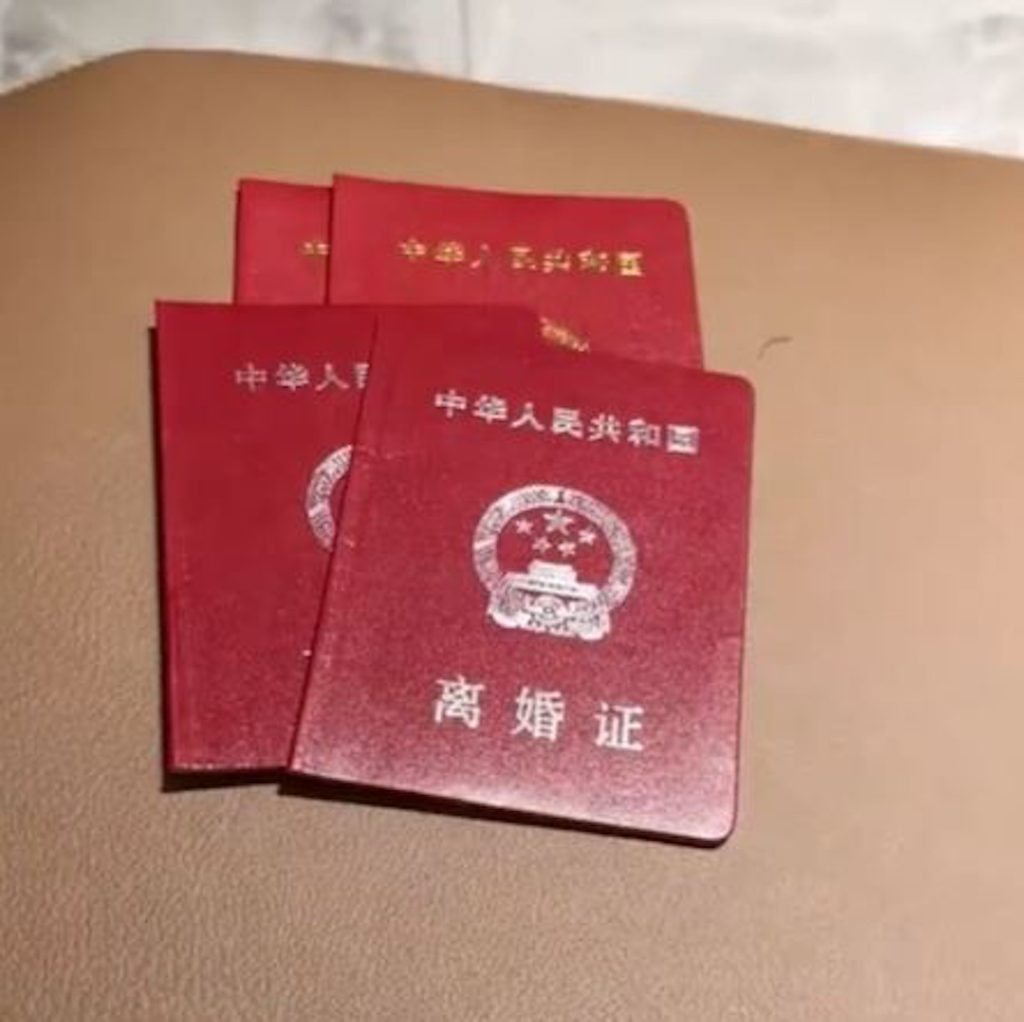
- Identity and name continuity: passports, marriage certificates, divorce decrees, or birth records where names differ across the purchase file.
- Source of funds or source of wealth: overseas bank statements, gift letters, tax records, loan documents, or company distributions.
- Compliance support: documents your solicitor or lender needs for anti-money laundering review.
What usually does not need to be translated is equally important. If the relevant search result, folio, map, or official Northern Ireland register extract is already in English, do not assume you need to translate it just because your matter involves a foreign buyer. The translation work is more likely to sit in the foreign-language supporting bundle.
There is no single published Northern Ireland property rule that gives one universal certification wording for every translated purchase document. In practice, the receiving party matters: your solicitor, your lender, and any registration step may each have their own evidential expectations. That is why self-translation is a poor risk decision even where no page says it is flatly banned. A buyer-made translation is much harder to rely on when the document is being used to prove title, authority, or funds.
Notarization is also not the default. Most foreign-language support documents only need a competent certified English translation. Notarization or additional formalities become edge cases, usually where the underlying original or copy already needs notarisation, apostille, or a stronger execution chain. If your file involves foreign powers of attorney or older foreign title documents, your solicitor should define that requirement before you order the translation.
If you need background on adjacent translation questions, keep those sections short and use the more detailed site guides on land registry extracts, gift letters and source of funds, bank statement screenshots, and certified vs notarized translation.
The practical path from offer to completion
- Offer accepted: your solicitor starts reviewing the seller-side contract pack and decides what searches and title checks are needed.
- Search result identifies the title route: Land Registry means a folio-led file; Registry of Deeds means a title-chain-led file; Statutory Charges may add a separate layer of restrictions.
- Your solicitor requests buyer-side evidence: identity, address, source of funds, gift proof, company authority, or foreign family-status records.
- Translation scope is set: only the documents actually being relied on for title, authority, identity, or funds should be translated. Ordering a translation too early on the wrong subset can waste time and money.
- Exchange and pre-completion protection: where relevant, a priority search protects the transaction window. The official Department of Finance explanation is here: priority search guidance.
- Registration after completion: if the property was unregistered, compulsory first registration may follow. The Department of Finance explains the system here: Compulsory First Registration.
Local logistics and timing reality
This is where Northern Ireland feels different from the more familiar England-and-Wales search experience.
- LandWeb Direct is not a public self-service portal. The Department of Finance states that access is limited to approved professional users, which means ordinary buyers often cannot simply pull the record online themselves: official access rules.
- Public search access still runs through LPS service channels. Northern Ireland guidance for LPS offices and the LPS Customer Information Centre in Belfast shows why buyers often rely on solicitors or formal office routes rather than quick consumer-style access.
- Registry of Deeds files can expand unpredictably. If the property is older or still unregistered, your solicitor may need older deed references and a longer paper trail, which is exactly when translation scope stops being obvious.
- Compulsory first registration can lengthen the post-completion timeline. That does not mean the purchase cannot proceed, but it does mean buyers should not assume a clean, instant registration path for every property.
The most useful practical lesson is this: in Northern Ireland, title status drives translation scope. Do not order translation as if every purchase needs the same pack.
Common document bundles by search outcome
If the property is in Land Registry
- Folio
- Registry map
- Relevant instrument or charge entry
- Buyer-side overseas ID, civil-status, and funding evidence where applicable
If the property sits in Registry of Deeds
- Memorial references
- Older deed bundle and chain of title materials
- Maps or parcel-identification support
- Any foreign-language historical deed, authority document, or linked overseas civil-status document
If Statutory Charges affects the property
- Charge details and maps
- Related planning or preservation context where needed
- Any foreign-language supporting material your solicitor needs to connect a restriction, title issue, or buyer-side compliance question
Local risks and mistakes that cause avoidable delay
- Assuming no Land Registry hit means the property is defective. Sometimes it simply means the title still sits in the older system and the paperwork load will be heavier.
- Treating a priority search as an urgent information request. It is a protection step, not the same thing as faster substantive title investigation.
- Translating the wrong documents first. Buyers often rush to translate a summary page when the solicitor later needs the full deed, annex, or full bank statement pack.
- Using screenshots instead of stable source documents. For source-of-funds review, a full PDF statement is usually safer than cropped mobile screenshots. If this is your sticking point, the practical document issue is closer to bank statement screenshots than to title paperwork itself.
- Assuming a notarised translation is always needed. It is not. Over-ordering formalities can waste time unless your solicitor has identified a real filing or evidential need.
Local user signals worth taking seriously
Community discussion should never replace official rules, but it is useful for showing where real buyers feel friction.
- On Reddit threads about Northern Ireland conveyancing and compulsory first registration, buyers repeatedly describe long periods of uncertainty after completion when an older title still needs to move into the Land Registry system. Example search trail: Reddit discussion.
- On broader UK property forums such as MoneySavingExpert, buyers regularly describe deals slowing down because an old title pack is incomplete or because the solicitor needs more evidence before funds can be accepted. Example thread: forum discussion.
- These are best treated as realism signals, not hard timing guarantees. What they do support is the main user-facing message of this guide: the older and less standard the title path, the more carefully you should stage translations.
Local background that explains why foreign-language paperwork appears
Census 2021 language tables from NISRA show that Northern Ireland has meaningful communities using languages such as Polish, Lithuanian, and Romanian alongside English and Irish: NISRA language tables. That matters here because property files are not just about title records. They are also about who the buyer is, how funds move, and whether names, signatures, and authority documents line up across borders.
Where to get help
Commercial translation providers
| Provider | Type | Public signal | Best fit for this topic |
|---|---|---|---|
| CertOf | Online certified translation service | Best suited to fast digital delivery, PDF output, revisions, and remote document handling | Useful when your Northern Ireland purchase file includes foreign deeds, bank statements, gift letters, company documents, or civil-status records that need certified English translation. Order here: translation portal. |
| 001 Translations UK, Belfast | Local commercial translation provider | Belfast location published at 87 Wellington Park, Belfast BT9 6DP, with legal-document translation marketing: official site | Relevant for buyers who prefer a Belfast-based commercial provider. |
| Diversity NI | Local language services provider | Northern Ireland-based interpreting and translation provider: official site | Useful as a local signal for buyers who want a Northern Ireland provider rather than a purely remote service. |
Legal and official support
| Resource | Type | What it helps with | Link |
|---|---|---|---|
| Law Society of Northern Ireland Find a Solicitor | Official legal directory | Finding a regulated solicitor for conveyancing and title advice | LSNI directory |
| Solicitors Complaints Committee | Independent complaints body | Current route for service complaints about solicitors in Northern Ireland | SCC |
| Northern Ireland Public Services Ombudsman | Public-sector complaint escalation | Escalation route after LPS internal complaints are exhausted | LPS complaints route |
These resources solve different problems. A translation provider helps you prepare readable English evidence. A solicitor decides what the transaction legally needs. A complaints body is only for service failures, not for routine title advice.
How CertOf fits without overpromising
CertOf can help with the document-preparation side of this process: certified English translation of foreign-language deeds, powers of attorney, civil-status records, bank statements, company documents, and gift or tax support papers. That fits this topic because Northern Ireland purchase files often become translation-heavy only after the search result reveals the real title route.
CertOf does not replace your solicitor, file your registration, search the Northern Ireland registers for you, or give legal advice on title defects. If you already know that your purchase file includes foreign-language documents, the most efficient next steps are to upload the documents for a quote, review the guide to ordering certified translation online, and decide whether you need PDF, Word, or paper delivery. If formatting fidelity matters, especially for finance documents, keep the originals complete and readable.
FAQ
Is Land Registry the same as Registry of Deeds in Northern Ireland?
No. Land Registry is the map-based register for registered land. Registry of Deeds is the older deeds-based system for unregistered land and document priority. They create very different paperwork loads.
Does a property purchase in Northern Ireland always need certified translation?
No. The purchase only needs translation when the documents being relied on are not in English. Many buyers never need translation at all. Others only need it for source-of-funds, identity, or authority documents.
Do I need to translate my overseas bank statements for a Northern Ireland property purchase?
Usually yes if your solicitor or lender is relying on them for source-of-funds review and they are not in English. Use complete statements rather than screenshots or self-made summaries, and match the translation to the exact document set your solicitor wants to review.
Is a priority search just a faster title search?
No. The Department of Finance explains that it protects the transaction for a 40-day period. It is a priority-protection tool, not simply a faster information request.
Can I do the Northern Ireland title search myself online?
Not in the same way professionals can. LandWeb Direct access is restricted, so many buyers rely on their solicitor or the available LPS public routes instead.
What is the biggest translation mistake in this type of purchase?
Ordering translation before your solicitor has defined the real evidential set. In a Registry of Deeds or compulsory-first-registration scenario, the full file may be much larger than the first summary request suggests.
Next step
If your solicitor has identified foreign-language documents in a Northern Ireland purchase file, keep the decision simple: confirm which documents are actually being relied on, avoid self-made summaries, and order professional certified English translations only for the documents that affect title, authority, identity, or funds. You can start with CertOf through the secure order page, then use the more detailed guides on full deed vs summary translation and revision and delivery expectations if you need to plan the document pack more carefully.