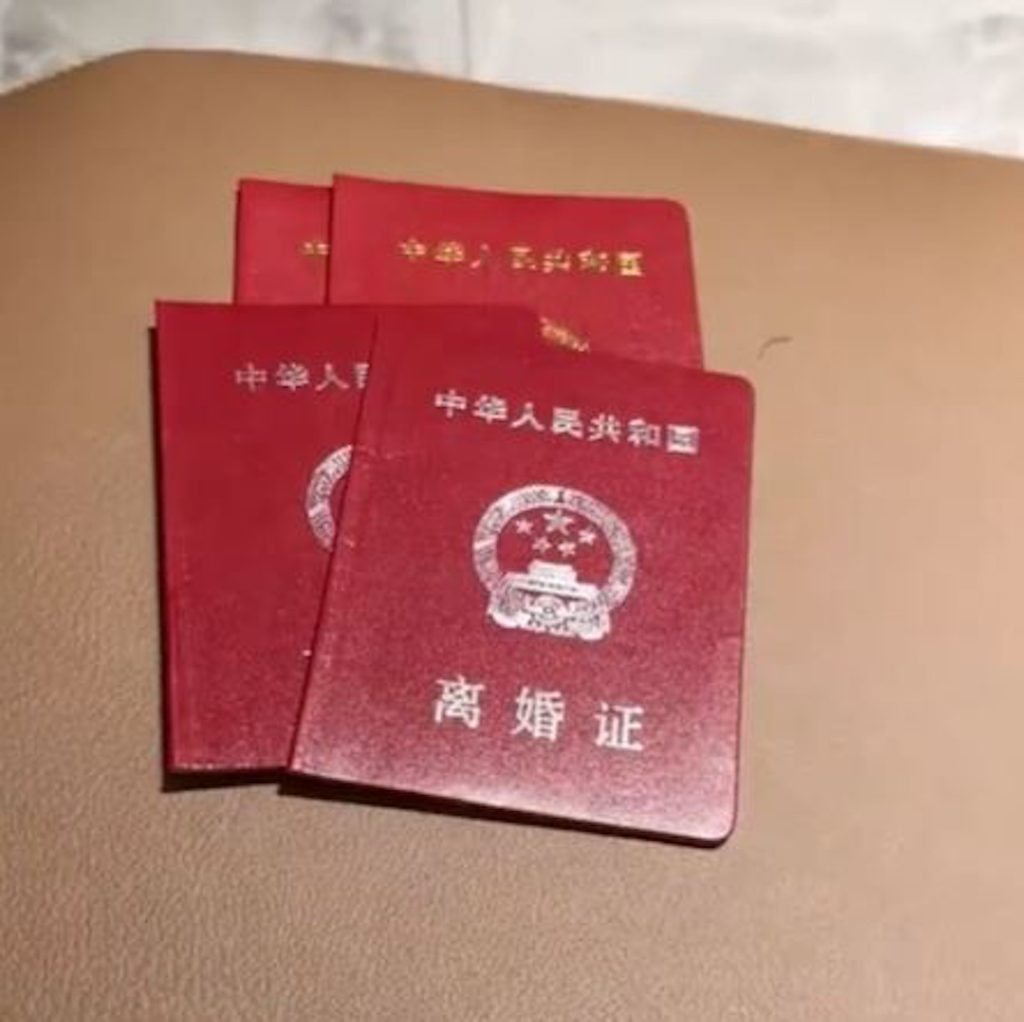
Russia Property Purchase: Foreign Marriage, Divorce, and Spouse Consent in the Russian Notarized Translation Chain
If you are buying property in Russia and your marriage certificate, divorce judgment, spouse consent, or name-change record was issued outside Russia, the problem is usually not just translation. It is whether the whole document chain is usable in a Russian property file: cross-border authentication where required, then a Russian notarized translation, then a clean name trail that a notary, MFC clerk, Rosreestr reviewer, bank, developer, or counterparty can follow without guessing.
This is why the search term russia property purchase spouse consent translation often leads people to the wrong answer. In Russia, the practical term is usually Russian notarized translation or notarially certified translation, not the common-law phrase “certified translation.” For foreign civil-status documents, the core rules are national, not city-specific. In practice, that means two separate questions: whether the foreign document is legally usable in Russia, and whether the Russian-language version is in the format the receiving party will actually accept.
Under Federal Law No. 143-FZ, Article 13, foreign civil-status documents generally need legalization unless an international treaty says otherwise. Under Article 7, civil-status documents submitted in Russia must be accompanied by a Russian translation. In other words, legalization and translation solve different problems, and property files often fail when people treat them as the same step.
Disclaimer: This guide is practical information, not legal advice. Property, family, and notarial consequences depend on the deal structure, ownership history, citizenship, treaty status of the issuing country, and the receiving institution’s document checklist.
Key Takeaways
- A foreign marriage certificate or divorce judgment is usually not usable in a Russian property file until the cross-border authenticity step is handled first, then the Russian notarized translation step.
- Spouse consent is not a universal substitute for marriage proof, divorce proof, or a surname-change bridge. In Russia, those are different document functions.
- For registration timing, route matters. Under Law No. 218-FZ, Article 16, standard registration is generally 7 working days when filed directly with the registration authority, 9 working days through an MFC, and 5 working days through an MFC if the filing is based on a notarized transaction.
- The most common failure is not “bad translation” in the abstract. It is a broken chain: wrong sequence, missing apostille or legalization, inconsistent transliteration, or no document explaining a surname change.
Who This Guide Is For
This guide is for people handling property-purchase paperwork anywhere in Russia when the deal touches foreign civil-status documents. Typical readers include Russian citizens returning from abroad after marrying or divorcing overseas, foreign nationals buying in Russia, mixed-nationality couples, people whose spouse is abroad when the transaction is happening, and buyers or sellers using a foreign-issued power of attorney.
The most common language direction is foreign-language originals into Russian. In practice that often means English-Russian, but Spanish-Russian, German-Russian, French-Russian, Chinese-Russian, Turkish-Russian, Arabic-Russian, and bilingual civil records also appear. The common file is not a single certificate. It is a package: foreign marriage certificate, divorce decree or judgment, spouse consent, passport, name-change record, and sometimes a power of attorney. The typical blockage is that the names do not line up across all of them after marriage, divorce, remarriage, or different passport spellings.
Why This Becomes a Russia Property Problem
Russian property paperwork is document-chain driven. Rosreestr cares about whether the filing supports the legal effect being claimed. Notaries care about whether the person signing is correctly identified and whether the supporting civil-status papers can be relied on. Banks and developers care about risk allocation and whether a spouse-related defect could later be used to challenge the deal.
The rules that matter most here are national:
- Family Code Article 35 sets the core spouse-consent framework for transactions involving spouses’ common property.
- Federal Law No. 143-FZ, Article 13 sets the validity rule for foreign civil-status documents, usually requiring legalization unless a treaty says otherwise.
- Federal Law No. 143-FZ, Article 7 requires foreign documents presented in civil-status registration contexts to be translated into Russian.
- The Federal Notary Chamber’s tariff and service pages explain that in Russia the operative mechanism is witnessing the fidelity of a translation, not simply a translation company stamp.
If you already need a general terminology backgrounder, keep that material short here and use the related internal guides instead: certified vs. notarized translation, apostille, legalization, and notarized Russian translation order, foreign documents and notarized translation in a Russia property workflow, and land-registry extract translation for property purchase.
The Counterintuitive Point Most Buyers Miss
In Russia, the risky question is often not “Do I need a certified translation?” but “Can the receiving party understand the legal history of this person across every civil-status document?”
A marriage certificate may prove that a marriage existed, but it may not explain why the surname on the passport is different from the surname on the divorce judgment. A spouse consent may authorize a transaction, but it does not prove whether the signer is the same person who appears on the marriage record under a different spelling or prior surname. That is why the real work is often a civil-status chain, not a single translation.
Which Documents Usually Matter
- Foreign marriage certificate
- Foreign divorce judgment, decree, or divorce certificate
- Proof that the divorce is final, if the issuing system separates judgment from finality
- Spouse consent signed abroad for a Russia transaction
- Name-change order, deed poll, or court order
- Passport and passport translation
- Power of attorney if someone else is signing or filing
For common property-document questions about deeds, extracts, and long-vs-short registry records, keep the treatment brief here and point readers to our guide on full vs. summary property documents.
Do You Always Need Spouse Consent in a Russia Property Purchase?
No. This is where many readers overgeneralize. Under Family Code Article 35, the classic high-risk scenario is disposal of common property. In plain terms, seller-side spouse consent is the sharper legal issue. Buyer-side files are different. A buyer may still need to explain marital status, prior divorce, or name changes, especially where a bank, a developer, a notary, or a counterparty wants the family-status paperwork clarified. But that is not the same as saying every buyer must always produce a spouse consent.
This distinction matters for translation planning. If the real issue is seller-side spousal authority, translate the consent and the marriage-status support clearly. If the real issue is identity and surname continuity, the consent alone will not solve it.
The Correct Order for Foreign Civil-Status Documents
- Get the correct original or officially usable copy from the issuing country.
- Complete apostille or consular legalization if required for use in Russia.
- Only after that, prepare the Russian translation so the translation package covers the full document set, including stamps, endorsements, and apostille pages.
- Have the translation taken through the Russian notarial step used for translation fidelity.
- Check every spelling, date, document number, and seal before the file goes to the notary, bank, MFC, or Rosreestr.
This sequencing issue is one of the most repeated practical complaints in public discussions: people spend money translating first, then learn that the issuing-country authentication had to come first so the Russian translation could include it.
What “Certified Translation” Really Means in Russia
For English-speaking users, “certified translation” is a bridge term. For Russian property practice, the more natural expression is a Russian notarized translation. The Federal Notary Chamber’s tariff page lists witnessing the fidelity of a translation as a notarial act and lists the federal notarial tariff for that act at 100 rubles per translation page, with separate regional tariff layers published by the same notarial system.
That is why a foreign lawyer’s “certified translation” or a translation-company seal from abroad may still fail the Russia property workflow. What matters is whether the receiving party accepts the Russia-side notarial format and whether the entire packet is readable, internally consistent, and legally usable in Russian.
How the Real Workflow Usually Looks
Step 1: Build the civil-status chain. Before you order translation, identify whether you need one document or a sequence of documents. If a marriage changed the surname and a later divorce changed it again, you may need marriage certificate, divorce record, and name-change record together.
Step 2: Decide who is actually relying on the documents. In a simple cash purchase, the focus may be on transaction safety and counterparty comfort. In a mortgage or DDU workflow, the bank or developer may require a clearer marital-status packet.
Step 3: Match the filing route. If the underlying deal is notarized, the registration timeline can be shorter under Law No. 218-FZ, Article 16. But faster registration does not cure a defective foreign document chain.
Step 4: Check remote limits. The Federal Notary Chamber confirms that some notarial acts can be handled remotely, including the translation-fidelity certificate, but remote notarial acts require a confirmed Gosuslugi account and a qualified e-signature. For many people abroad, that is a real access barrier, not a convenience feature.
Step 5: Submit and track. Many applications still move through MFC intake into Rosreestr. At country level, the practical rule is simple: check your regional MFC portal or the MFC directory before traveling with originals, because operating hours, appointment rules, and intake routing can vary by region even though the core legal rules do not.
Wait Time and Cost Reality
The legal timeline and the practical timeline are not the same.
- Registration timing is statutory. Under Law No. 218-FZ, Article 16, direct registration is generally 7 working days, MFC filing is generally 9 working days, and registration based on a notarized deal is generally 3 working days when filed directly or 5 through an MFC.
- Notarial pricing is layered. The FNP publishes the federal tariff and separate regional tariffs. For example, the federal tariff for a notarial act that must be notarized but is not value-based is 500 rubles under Tax Code Article 333.24, while translation certification carries its own federal and regional components.
- The real delay is usually pre-submission: waiting for apostille or legalization abroad, redoing transliteration, or finding that one missing surname-bridge document after the deal clock has already started.
National Rules, Local Logistics
This topic is mainly governed by federal rules, not regional real-estate law. The local variation is mostly operational: which notary in your region is comfortable with foreign civil-status chains, what the regional tariff is, whether the MFC intake point spots a mismatch immediately, and how much time you lose if you need to rework the file.
The Federal Notary Chamber states that it unites 88 regional notarial chambers. That matters because a Russia-wide rule can still feel uneven in practice. The legal standard is national. The document-handling comfort level and tariff layer are not perfectly uniform. You can check regional notarial tariff information on the FNP site and use the official notary-finder and chamber directory from the same ecosystem: regional tariffs and find a notary / regional chamber data.
One practical logistics rule is easy to overlook: once a foreign document and its translation are assembled into the notarial packet, damaged or incomplete sets can create avoidable intake problems. Keep scans before you travel, but carry the physical packet carefully and do not assume a receiving desk will reconstruct a broken chain for you.
Common Failure Points
- The apostille page or legalization endorsement is not translated.
- The divorce judgment is translated, but no proof of finality is included where the issuing country requires it.
- The spouse consent identifies the person one way, while the marriage certificate and passport use another spelling.
- The file assumes buyer-side spouse consent is the only issue, when the real issue is a missing marriage or divorce record.
- The translation omits seals, handwritten notes, filing numbers, or page references.
- The user relies on a foreign “certified translation” format that is not the notarial format expected in Russian practice.
What Users Commonly Trip Over in Practice
Public user signals are useful here, but they should stay in their lane. Reviews on Russia-based notarial-translation provider pages and public forum threads both point to the same recurring problems: surname mismatches, incomplete stamp translation, and confusion about whether apostille comes before translation. Examples include public service and review pages from Traktat and TranExpress, as well as forum-style discussion threads such as AskARussian discussions on apostille and translation sequencing.
Those user signals do not replace the legal rules. They are useful because they show where real files break down in practice: names must match everywhere, apostille usually comes first, and a translation stamp from the wrong system can waste time without making the document usable.
Commercial Workflow Examples
Because this is a country-level reference guide, the examples below are not a ranked shortlist and should not be read as endorsements. They are here to show the kind of public workflow signal a Russia-bound user should look for when comparing providers: notarial translation pages, legalization pages, and a visible Russia-based office presence.
| Provider | Public signal | Best fit | Boundary |
|---|---|---|---|
| Traktat | Public notarized-translation and apostille service pages, Russia office network, courier workflow pages | Users comparing bureaus that already market Russia notarial-document handling | Still not a substitute for checking whether your civil-status chain is legally complete |
| EGO Translating | Public Russia office presence and service pages covering notarization/apostille-related workflows | Document-heavy files where formatting and delivery handling matter | Provider convenience does not answer whether spouse consent is legally required in your transaction |
| TranExpress | Public Moscow office, notarized-translation workflow, pickup and courier pages | Users who want a bureau with visible walk-in logistics | Local pickup convenience does not cure a bad apostille or a broken surname chain |
Public Resources and Complaint Paths
| Resource | Why it matters | Best use |
|---|---|---|
| Federal Notary Chamber | Official notarial ecosystem, tariff pages, remote acts, chamber directory | Check whether you need a Russia-side notarial step and what tariff structure applies |
| FNP QR verification | Anti-fraud tool for notarized documents | Verify a notarial document before relying on it in a property file |
| Appeal to the Chamber | Complaint or feedback path about notarial work | Use when the issue is notarial conduct or notarial service quality |
| Gosuslugi pre-trial appeal for property-registration services | Complaint path for registration-service violations | Use when the issue is Rosreestr service handling, not the translation itself |
| MFC national portal | Country-level entry point to find local filing windows | Use to locate the intake route and verify local hours or appointment rules |
Anti-Fraud and Verification
Russia has a stronger anti-fraud angle here than many English-language guides mention. The Federal Notary Chamber provides a QR verification service for notarial documents. That matters because a forged spouse consent, fake notarized translation, or altered attachment can create a property-risk problem before Rosreestr ever looks at the file.
Another practical rule: if the document chain is unusual, do not rely on a broker, seller, or third-party translator telling you “this wording is always accepted.” In spouse-consent and civil-status cases, acceptance depends on whether the person, name history, and legal event are all proven in the packet.
How CertOf Fits Without Overclaiming
CertOf is strongest in the document-preparation stage, not in the Russian notarial act itself. That means helping you translate foreign marriage, divorce, spouse-consent, and name-change documents clearly; keeping names, dates, seals, and document numbers consistent; and reducing the risk that you show up to a notary or MFC with an incomplete or internally inconsistent packet.
It does not mean CertOf replaces a Russian notary, files with Rosreestr for you, gives legal advice on marital-property disputes, or guarantees that a receiving institution will waive apostille, legalization, or extra supporting documents.
If you need a quick digital workflow first, see CertOf’s document submission page, how online ordering works, delivery format options, and revision and guarantee details.
FAQ
Is a foreign certified translation enough for a Russia property purchase?
Usually no. In Russian practice, the relevant format is often a Russian notarized translation, especially where foreign civil-status documents are being used to support a property file.
Will an MFC accept a foreign marriage certificate with only a translation company stamp?
That is risky. In this workflow, the practical issue is not just whether the text is translated, but whether the packet is in the Russian notarial format the receiving side expects.
Do I need to translate the apostille page too?
Usually yes. If the apostille or legalization page is part of the packet proving cross-border validity, leaving it untranslated can break the chain.
Do I need spouse consent to buy property in Russia?
Not automatically in every buyer-side case. The sharper legal issue under Family Code Article 35 is disposal of common property. But buyers may still need marriage, divorce, or name-change documents to explain status and identity.
What if my surname changed after marriage or divorce abroad?
Expect to build a chain, not rely on one document. A marriage certificate, divorce judgment, and name-change record may all be needed so the Russian-side reviewer can follow the identity trail.
Can my spouse sign consent outside Russia?
Often yes, but the consent usually needs to be validly notarized where it is signed, then apostilled or legalized if required, and then translated into Russian in the format accepted on the Russia side.
CTA
If your Russia property file includes a foreign marriage certificate, divorce judgment, spouse consent, or name-change record, the safest move is to build the document chain before you book the transaction date. CertOf can help you prepare the translation side of that packet so names, dates, document numbers, seals, and supporting records line up before you go to a Russian notary or submit to the next institution.
Upload your documents for review if you want a translation-ready package, or start with our related guides on certified vs. notarized translation, apostille and notarized Russian translation order, and Russia property paperwork with foreign documents.