
Disclaimer: This article is for educational purposes only and does not provide legal advice. Immigration outcomes depend on your full record and the specific request from the agency. If your case involves multiple prior marriages, conflicting dates, custody litigation, or a non-standard divorce process (religious court, administrative divorce, or foreign registry entries), consult a qualified immigration attorney.
About the author: Erin Chen is the Co-Founder and Translation Strategist at CertOf™. With over a decade in bilingual editorial risk control and hands-on experience navigating the U.S. immigration process, Erin helps applicants prepare USCIS-ready certified translations that reduce avoidable delays.
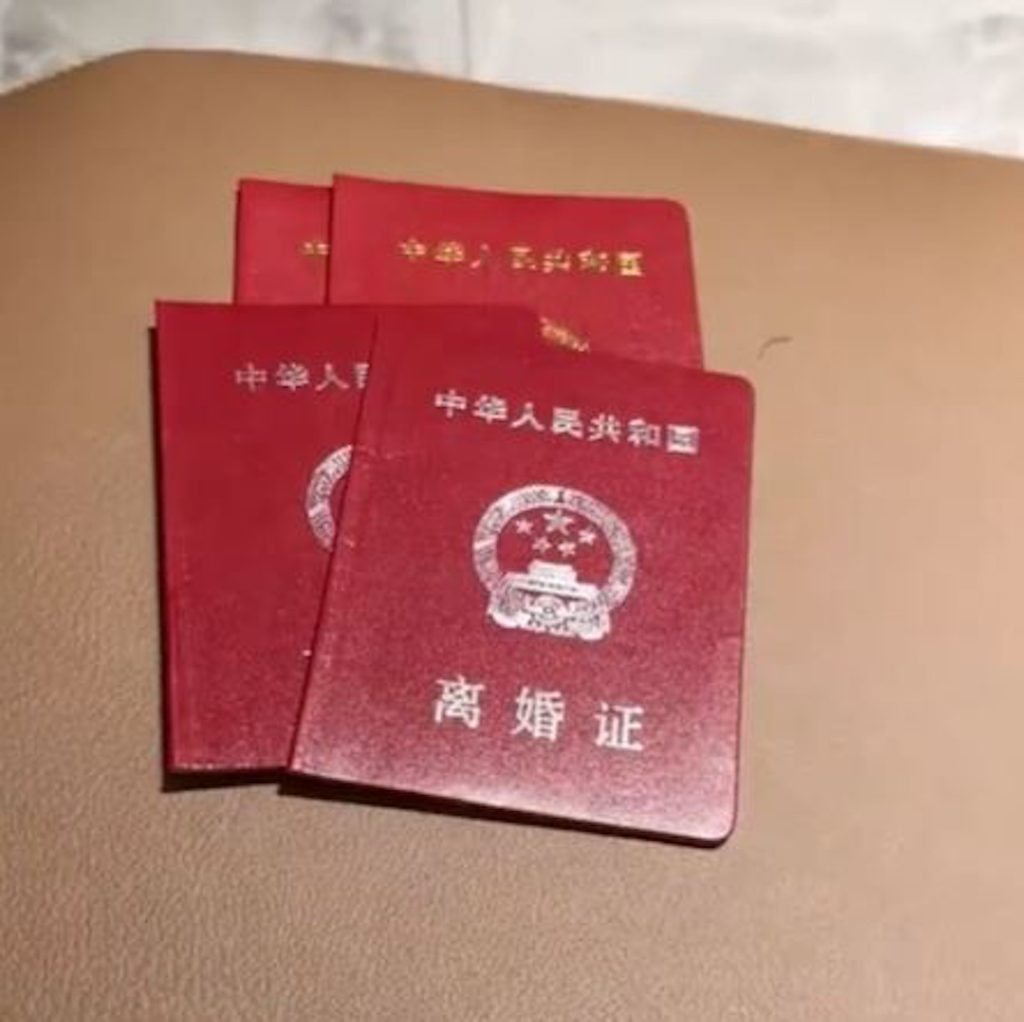
Certified translation of divorce decree to English: the fast, compliant way to avoid RFEs and protect your remarriage
If you or your spouse has a prior divorce, a certified translation of a divorce record is often the one document that quietly determines whether the officer trusts your timeline. In real reviews, it’s not the “big story” that triggers delays—it’s small gaps: a missing finality line, a skipped stamp, or a page that looks “summarized” instead of complete.
- What USCIS cares about: proof that all prior marriages were legally terminated, with a complete English translation and proper certification.
- What you can do today: submit a USCIS-ready, mirror-formatted translation that matches the original structure (so an officer can compare fast).
- Where people lose months: translating the wrong divorce document (for example, a “preliminary decree” instead of the final decree) or “cleaning up” names and dates.
- How to reduce risk: translate every page and every mark (stamps, seals, signatures, handwritten notes) and attach a certification statement.
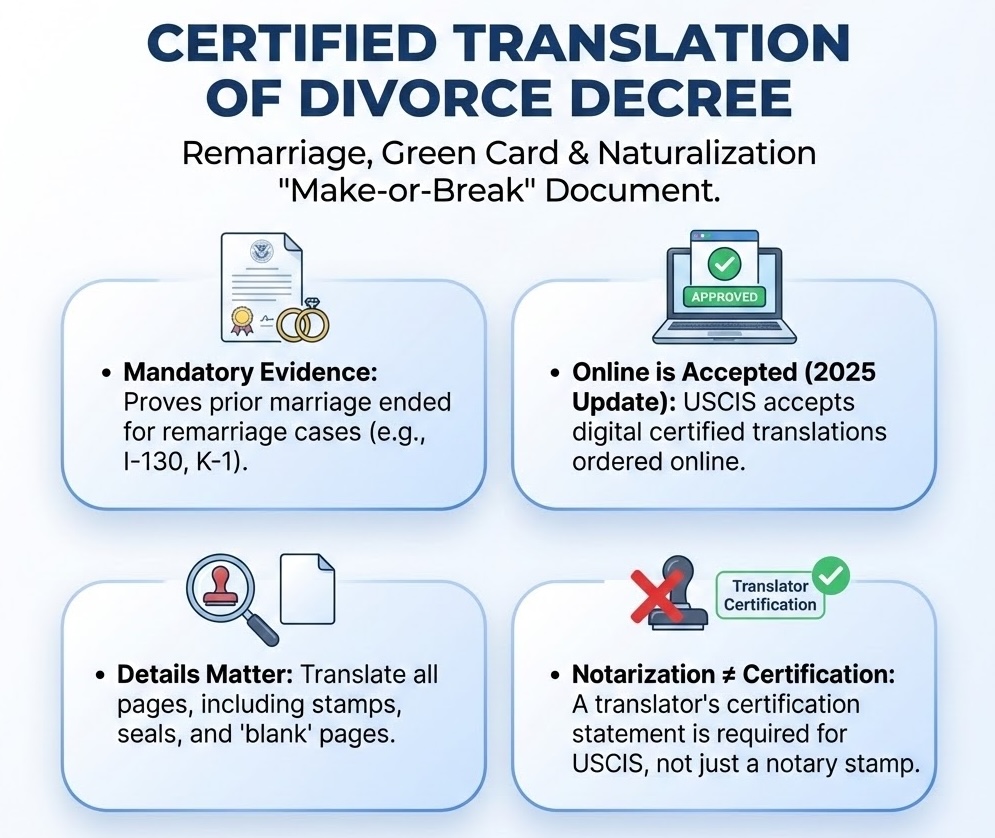
Why divorce decrees are high-stakes in remarriage immigration and naturalization
From an officer’s perspective, a divorce decree is not “history.” It’s eligibility. If your current marriage is the basis for an immigration benefit, the record must show you were legally free to marry when you married. USCIS policy guidance for spouses explicitly lists evidence of legal termination of prior marriages (for example, a final divorce decree or annulment decree) as required evidence when applicable.
Common filing moments where divorce decree translations surface:
- Marriage-based cases: I-130/I-485 packets where either spouse was previously married.
- K-1 fiancé visa context: showing you’re free to marry.
- N-400 naturalization: when USCIS reviews marital history and prior relationships for consistency.
- Consular processing and “document checklists”: where prior-marriage termination is treated as foundational civil evidence.
Decree vs. certificate vs. registry entry: what should you translate?
Different countries document divorce in different ways. In the U.S., people often say “divorce decree,” but your home country may issue a different type of official record. For USCIS purposes, the key is not the label—it’s whether the document is an official record that clearly shows the marriage was legally terminated and is final/effective.
- Divorce decree (court judgment): a court-issued decision that ends the marriage. Some jurisdictions produce a multi-page judgment with findings, orders, and a finality/effective date.
- Divorce certificate: a shorter civil document that summarizes the divorce event (names, dates, registration details). It may be issued by a civil authority rather than a court.
- Registry entry (civil registry / family registry record): in many countries, divorce is recorded as an entry in a registry (for example, a civil registry record or an annotated marriage record). This “registry proof” can be the primary evidence, even if there is no long-form court decree.
Practical rule: translate the document you will actually submit as evidence of divorce—usually the final record (not a preliminary order, filing receipt, or non-final notice). If your jurisdiction issues staged documents (e.g., preliminary vs. final), make sure the record you translate explicitly indicates the divorce is final.
Why this matters for translation: officers often look for “signals” of authenticity and completeness—registration numbers, official seals, stamps, signatures, and finality language. That’s why we recommend translating every page and every mark, not just the main text.
The counter-intuitive point: “Notarized” doesn’t fix an uncertified translation
I see this mistake weekly: someone pays extra for a notary stamp, then assumes the translation is “USCIS-approved.” Here’s the reality: for USCIS, the core requirement is a certified English translation of any foreign-language document, with a certification statement from a competent translator. A notary verifies identity of the signer; it doesn’t verify translation accuracy.
If you want the clean explanation (with examples), read: Certified vs. Notarized Translation: Which One Do You Need?
What a USCIS-ready divorce decree translation must include
Think of your divorce decree as “data + signals.” The data are the names, dates, and court decision. The signals are seals, stamps, case numbers, judge signatures, and registry markings that tell the officer: this is real, final, and complete.
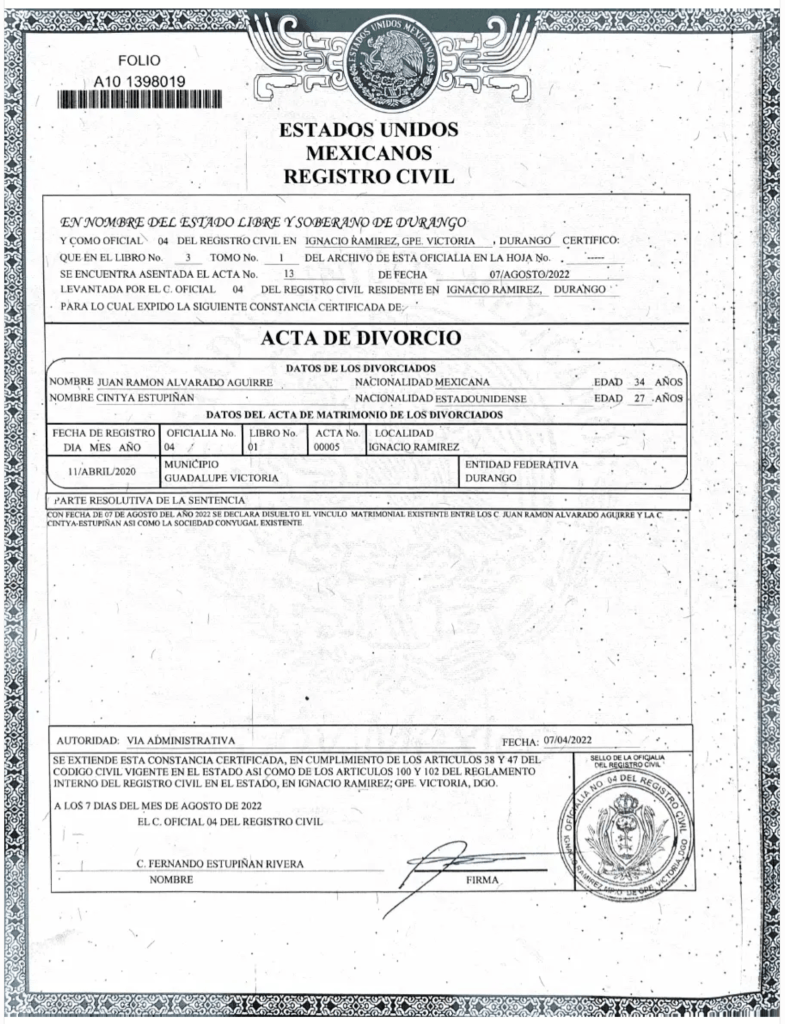
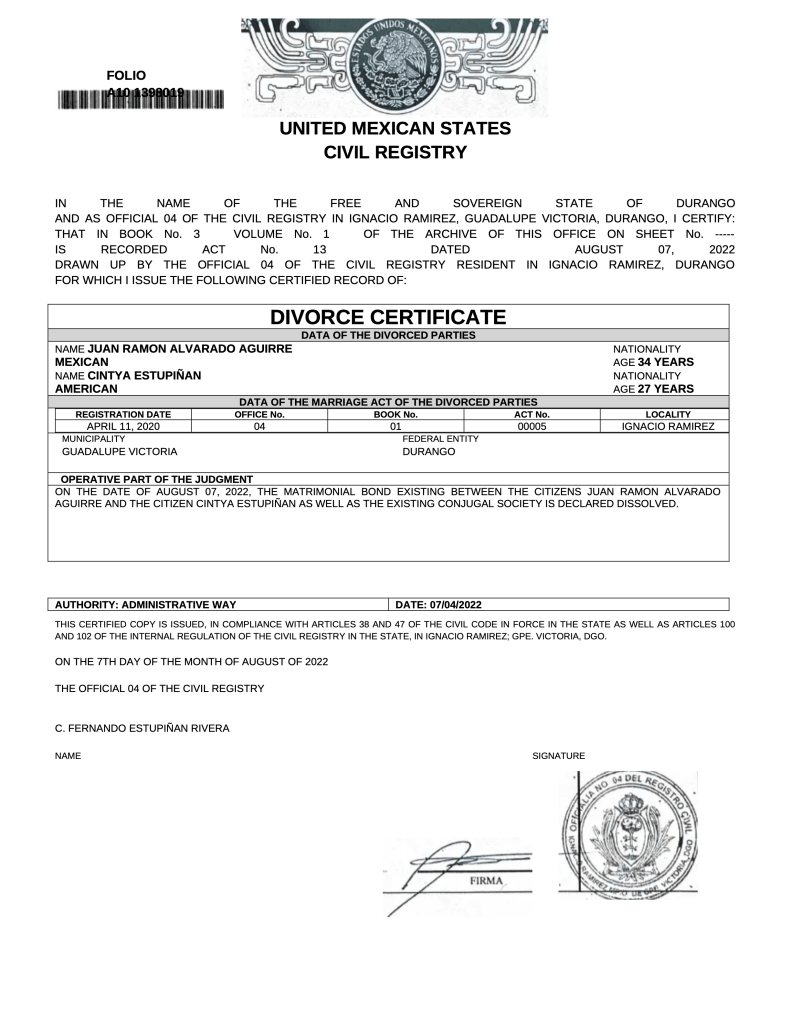
Mirror translation of divorce certificate sample from Spanish to English
Compliance checklist (quick scan)
- Every page: include all pages in order. If a page is blank, represent it as a blank page (best practice: label it clearly as blank rather than omitting it).
- All stamps and seals: translate or annotate them (example: [Court Seal], [Stamp: Date], [Illegible stamp]).
- Signatures: show presence of signatures (example: [Signature of Judge]).
- Finality language: capture the line that indicates the divorce is final/effective.
- Names exactly as written: do not “correct” spelling or modernize names inside the translation.
For the baseline USCIS translation rule (and sample wording expectations), see: USCIS Certified Translation Requirements
5 pitfalls that trigger RFEs (and how to avoid them)
- Submitting the wrong divorce document: some jurisdictions issue staged documents (for example, a preliminary decree vs. a final decree). If the document does not prove the marriage is legally terminated, the case can stall.
- Partial translation: translating only the “front page” or only the certificate page while ignoring court reasoning pages, stamps, or appended notices.
- Over-editing names and dates: applicants try to “standardize” a maiden name or convert dates in a way that changes meaning. Translation should reflect the source document faithfully.
- DIY translation in a conflict situation: even when language skills are strong, self-translation can raise credibility issues. If you’re considering it, read: Can I translate my own documents for USCIS?
- Machine output without certification: raw Google Translate text is not a certified translation and often misses layout cues. Practical discussion here: Can I use Google Translate for USCIS?
If you already received an RFE or a rejection related to translation issues, start here: USCIS RFE Translation Services
CertOf™ vs. traditional options (cost, speed, and “officer-readability”)
When your goal is approval and speed, the real differentiator is not “fancy stamps.” It’s whether your packet looks complete and easy to verify.
| Feature | CertOf™ Translation | Traditional local options |
|---|---|---|
| Typical turnaround | Fast delivery (often 5–10 minutes for standard pages) | Often 1–3 business days |
| Pricing | $9.99/page, transparent | Often higher, quoting cycles |
| Formatting | Mirror formatting to match layout | Frequently plain text blocks |
| USCIS readiness | Certification statement included; designed for USCIS-style review | Varies widely |
| Online workflow | Upload → Pay → Download PDF | Email back-and-forth or in-person visits |
How to order a certified translation online in 3 steps
- Upload your divorce decree: use the secure order portal: order a certified translation online.
- Pay and confirm: transparent pricing, no unnecessary notarization upsell.
- Download your USCIS-ready PDF: includes a certification statement and is formatted for quick officer comparison.
Need a human to sanity-check an unusual decree (multiple languages, handwritten annotations, registry entries)? Use: contact our translation team.
For the policy side of risk control, see: refund policy and acceptance guarantee.
FAQ
Does USCIS accept online certified translations?
In practice, USCIS accepts filings through both mail and online workflows, and officers evaluate whether the translation is complete, accurate, and properly certified. The “online” part is not the issue; compliance is. If your PDF contains a clear certification statement and the translation is complete, online submission is commonly used by applicants.
Do I need to mail the original divorce decree to USCIS?
Usually you submit copies with your filing, and you keep originals available if USCIS later requests them or for an interview. Follow the specific form instructions and any RFE language you receive.
My divorce was recorded in a family registry, not a “decree.” What do I translate?
Translate the official record that proves the termination of the marriage in your jurisdiction (registry entry, court judgment, administrative certificate). The key is that the document must show the divorce is final and legally effective.
How long is a certified translation valid for USCIS?
Certified translations generally do not “expire” on their own. The underlying question is whether the original record remains the same and whether the translation is complete and properly certified. More detail here: How long is a certified translation valid for USCIS?
Ready to move forward without translation-related delays?
If your case timeline is tight, don’t let a preventable translation issue become a months-long detour. Get a certified divorce decree translation that is designed to be verified quickly and confidently.
Get fast certified translation now | learn about CertOf™ Translation | privacy and data handling
Author note: If you’re unsure whether your document is “final” (for example, you have multiple court issuances), treat that as a legal question first. A perfect translation can’t replace the wrong underlying evidence.